A Stirring Week in Cricket
The cricketing fraternity was set ablaze this week with two significant narratives: the unexpected resignation of Misbah-ul-Haq as Pakistan's national selector and the emphatic victory of the Indian women's cricket team over Pakistan in the Women's T20 Asia Cup. Both events have shone a spotlight on the contrasting fortunes and challenges faced by cricketing nations, particularly in the context of leadership and performance.
Misbah-ul-Haq's Bold Statements
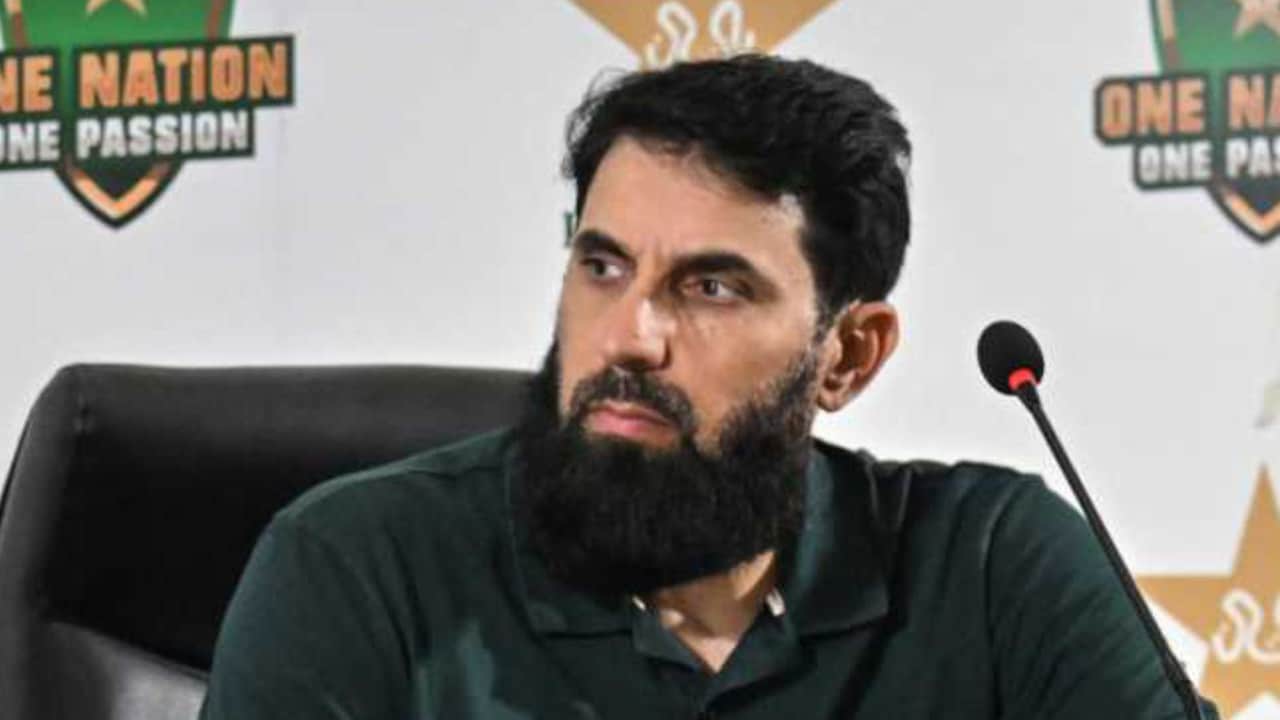
Misbah, a former captain and one of Pakistan's most respected figures in cricket, dropped a bombshell during his resignation announcement. He claimed that there exists a stark disparity in how local and foreign coaches are treated within the Pakistan cricket structure. “I’ve been treated differently, and this has impacted my ability to perform my duties effectively,” he stated, raising eyebrows and igniting debates among cricket analysts and fans alike.
This revelation highlights a troubling issue within Pakistan cricket, where the focus on foreign expertise often overshadows local talent. Misbah's comments resonate with many who have long observed the challenges local coaches face in a system that seems to favor international figures over homegrown expertise. The implications of such a divide could be detrimental, impacting team cohesion and the development of future Pakistani cricket stars.

Pakistan cricket has a rich history of producing world-class players, and Misbah's reflections suggest a need for introspection within the Pakistan Cricket Board (PCB). The organization must strike a balance between seeking international experience and nurturing local talent, ensuring that the next generation of cricketers can thrive under the guidance of those who understand the cultural and regional nuances of the game.
In light of Misbah's remarks, the PCB must assess its coaching strategies, perhaps learning from the Indian cricket system which, in recent years, has successfully integrated local coaches into their setup. The likes of Rahul Dravid and Vikram Rathour have made significant contributions, demonstrating that homegrown talent can lead teams to success on the global stage.
The Indian Women's Dominance
While Pakistan faces internal challenges, the Indian women's cricket team showcased a remarkable performance, defeating Pakistan by seven wickets in the Women's T20 Asia Cup. This match not only highlighted the prowess of Indian cricket but also marked a significant moment for players like Richa Ghosh, whose father expressed immense pride in his daughter's contribution to the team's victory.
The match, held in front of an enthusiastic crowd, was a tactical masterclass from the Indian side. They demonstrated exceptional skill and composure, particularly in the bowling department, where they restricted Pakistan to a modest total. The Indian bowlers executed their plans to perfection, exploiting weaknesses in the opposition's batting lineup.
Batting second, India maintained a steady run rate, thanks to a well-structured innings led by Ghosh and her teammates. The partnership between Ghosh and the captain effectively dismantled Pakistan's bowling attack, underscoring the growing confidence and talent within the women’s game. This victory not only gives India crucial points in the tournament but also strengthens their claim as one of the leading teams in women's cricket.
Cultural Significance of India-Pakistan Matches
India-Pakistan clashes always bring heightened emotions and expectations. The rivalry transcends sport, reflecting historical and cultural narratives that resonate with fans across both nations. The excitement surrounding the recent Women's Asia Cup match was palpable, with fans from both sides passionately supporting their teams.
This particular victory carries more than just points; it represents a shift in perceptions about women’s cricket in India and Pakistan. As more young girls take up the sport, the competitive spirit is expected to intensify, pushing both nations to develop their women’s programs further. The Indian women's team's victory can serve as an inspiration for aspiring cricketers, emphasizing that excellence is achievable regardless of gender.

Looking Ahead
As cricket continues to evolve, the issues raised by Misbah and the success of the Indian women's team will shape the conversations around the future of the sport in both countries. For Pakistan, addressing the disparities in coaching will be critical for revitalizing their cricketing stature. For India, capitalizing on the momentum created by the women's team can lead to enhanced support and investment in women's cricket.
The upcoming matches in the Asia Cup will be pivotal for both teams. Pakistan will be looking to bounce back while India hopes to maintain their winning momentum. Cricket fans around the world will be watching closely, eager for more thrilling encounters and perhaps some surprises along the way.
As the cricketing calendar progresses, the narratives surrounding Misbah's revelations and the Indian women's triumph will continue to play a crucial role in shaping the future of cricket in the region. The outlook appears promising, but the challenges are as significant as the victories. A delicate balance must be struck if both nations are to realize their full potential on the international stage.
For more insights on women's cricket, check out our analysis on India's Women Dominate Pakistan: A Tactical Masterclass and for more on Misbah's impact on Pakistan cricket, read our piece on Rohit Sharma's Leadership Shines Amidst Challenges.