A Shocking Turn of Events
In an unprecedented move, the Pakistan Cricket Board (PCB) has decided to sack seven players, including stalwarts Mohammad Rizwan and Imam-ul-Haq, amid a crucial series against England. This shocking decision has sent waves of confusion and frustration throughout the cricketing fraternity, raising questions about the board's strategy and the future of the team. As the dust settles, the implications of this move could be far-reaching, impacting the players' careers and the overall stability of Pakistan cricket.
The Players Affected
The abrupt dismissal of key players like Rizwan and Imam has left many in disbelief. Both players have been central to Pakistan's recent successes, particularly in limited-overs formats. Rizwan’s wicketkeeping and batting prowess have made him an invaluable asset, while Imam’s consistency at the top of the order has provided much-needed stability. The decision to send them home alongside other players, including promising talents, raises alarming questions about the PCB's decision-making process. The timing of the sacking—mid-series—has been particularly criticized. Such drastic measures have not only disrupted team morale but have also put immense pressure on the remaining players.

Babar Azam's Comments
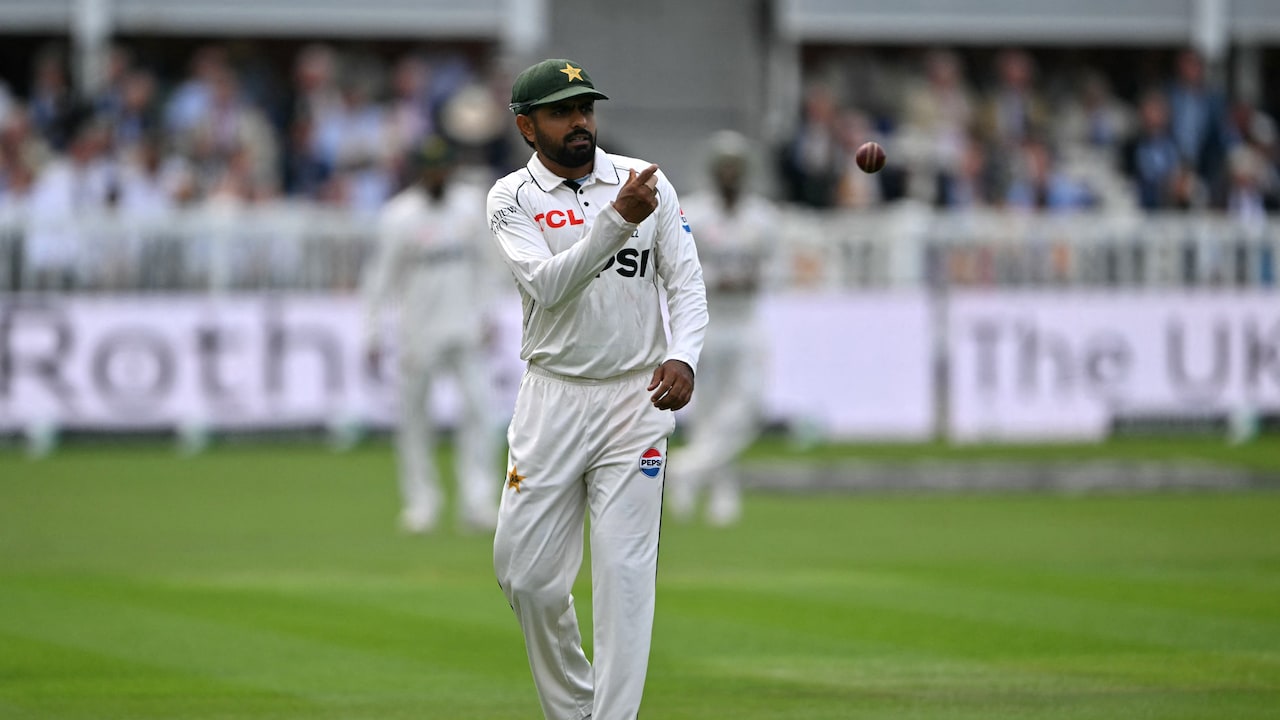
Captain Babar Azam, who has been thrust into the spotlight during this turmoil, expressed his shock over the board's decision. In recent statements, he emphasized the importance of unity and continuity in the squad. "As a team, we need to stick together, especially in tough times," he said. His comments underline the precarious situation that Pakistan cricket finds itself in, with players unsure of their roles going forward. The captain’s sentiment resonates with many followers of the game, who see the continuity of personnel as crucial for success in international cricket.
Analyzing the Context
The scenario becomes even murkier when considering the backdrop of the PCB's internal politics. Reports suggest that the board has been under pressure to deliver results, especially with the upcoming World Cup on the horizon. Such pressures often lead to hasty decisions that can derail long-term plans. The PCB's lack of a coherent strategy can be seen as a fundamental flaw in its governance, leading to knee-jerk reactions rather than well-thought-out decisions. As the cricketing world watches closely, the ramifications of these changes could affect not just the players involved but also the entire cricketing structure within Pakistan.
Reactions from the Cricketing Community
The cricketing community has reacted with a mix of disbelief and outrage. Former players and analysts have been vocal about their discontent regarding the PCB's handling of the situation. Many have pointed out that a mid-series sacking of this magnitude is detrimental to team cohesion and performances.
Several cricketing pundits took to social media, voicing their opinions, with some suggesting that this could be an opportunity for other players to step up. However, this silver lining does little to assuage the concerns about the board's management style. The prevailing sentiment is that the PCB has mishandled a crucial moment in the team’s narrative.
Historical Precedents
The PCB's actions have historical precedents, with similar mid-series disturbances in the past leading to dire consequences. In 2015, the sacking of several players mid-series against Bangladesh raised eyebrows and ultimately impacted Pakistan's performance. The long-term effects of such decisions often linger, affecting not just the immediate series but the morale and confidence of the team in the long run. The current situation mirrors those past incidents, suggesting a troubling pattern in the board's approach to team management.

Moving Forward
Looking ahead, the PCB has a monumental task in rebuilding not just its team but also its reputation. The board must focus on transparent communication and foster an environment where players feel valued and secure. It is crucial for the PCB to adopt a long-term vision rather than short-sighted reactions to pressure. The focus should be on nurturing talent and ensuring that players can thrive without the fear of sudden dismissal. The upcoming matches against England will serve as a litmus test for both the players and the PCB, showcasing whether they can rise above the chaos.
Conclusion
As the cricketing world watches, the PCB stands at a crossroads. The decision to sack seven players mid-series is not just a tactical blunder; it represents a deeper issue within the management of Pakistan cricket. The ramifications of this decision could echo for years to come, affecting the team’s preparation for major tournaments such as the World Cup. As Babar Azam and the remaining squad members brace themselves for the challenges ahead, one can only hope that the PCB learns from this episode, ensuring that future decisions are made with clarity and foresight. The future of Pakistan cricket hangs in the balance, and the next steps taken by the board will be critical.
For further insights on cricket governance and player dynamics, check out our articles on Shami and Mukesh's dominance and KKR's leadership changes.