Hardik Pandya's Anticipated Return
In the world of cricket, few players generate as much excitement as Hardik Pandya. As reports confirm his eagerly awaited return to professional cricket, the cricketing community buzzes with anticipation. However, this comeback is clouded by conditions that could impact not only Pandya's career but also the structure of cricket governance in India.
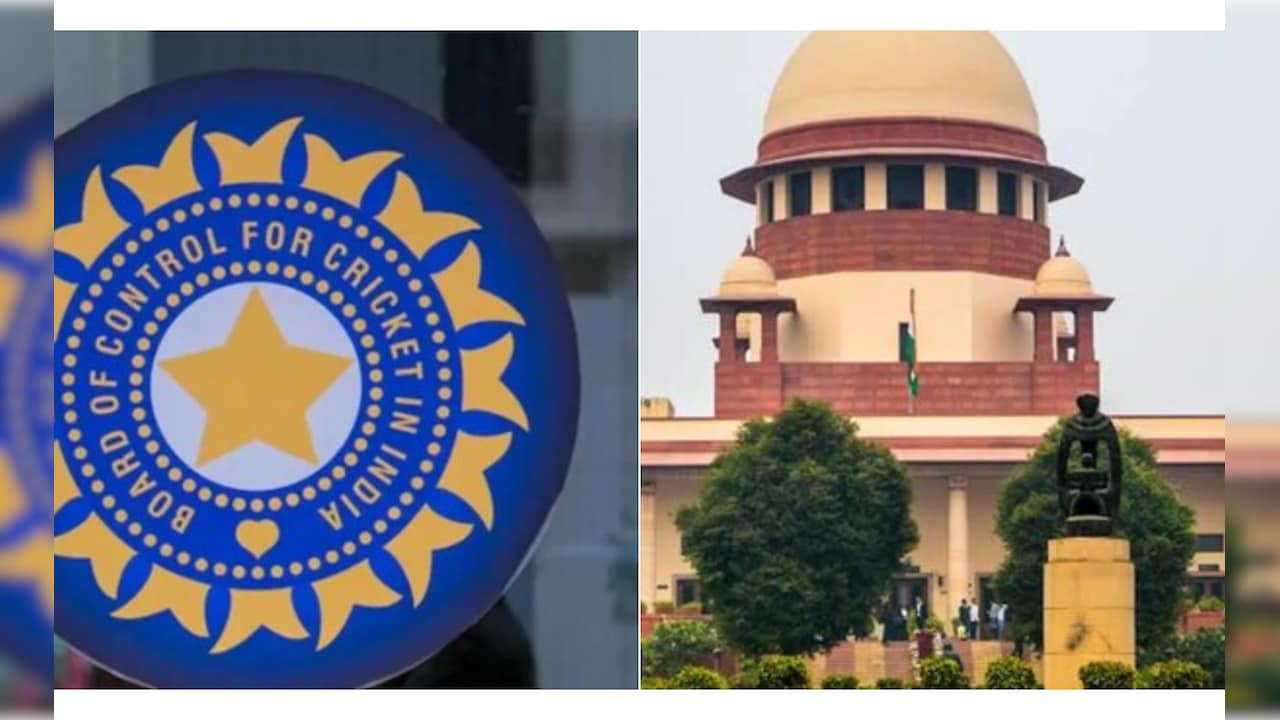
The Board of Control for Cricket in India (BCCI) finds itself under intense scrutiny, as the Supreme Court has raised serious questions about its governance practices. The bench, comprising Chief Justice Surya Kant and Justices Joymalya Bagchi and V Mohana, is reviewing applications filed by various cricket bodies regarding the new sports governance law, which seeks to address longstanding issues such as transparency and accountability within sports organizations. As the BCCI grapples with these legal hurdles, the implications for players like Pandya and the broader cricketing landscape are profound.
Pandya's return date has been announced, but it comes with a crucial stipulation: he must demonstrate fitness and form before being considered for selection. This condition reflects not just on his physical capabilities but also serves as a reminder of the pressure athletes face in a highly competitive environment. The stakes are incredibly high for Pandya, who has been a pivotal player for the Indian national team and his IPL franchise, Gujarat Titans. His ability to perform in high-pressure situations has often been the linchpin of his team’s success.

Implications of the Supreme Court's Oversight
The Supreme Court's involvement in the BCCI's governance issues is not merely a legal formality. It highlights a significant shift in how sports organizations are held accountable. The court's decision could lead to sweeping reforms that might redefine the operational structure of the BCCI. Such changes could have cascading effects, influencing everything from player contracts to the overall management of cricket in India.
As cricket continues to grow in popularity, the need for robust governance frameworks becomes even more critical. The IPL, which has captured the hearts of millions, operates under the auspices of the BCCI. Therefore, any reforms prompted by the Supreme Court could have immediate effects on the IPL's operational norms and player management strategies. The court's ruling will be pivotal in shaping the future of cricket governance in India, ensuring that it aligns with modern standards of integrity and professionalism.
Hardik's Condition: A Double-Edged Sword
Pandya's return is not just about individual performance; it symbolizes the broader conversation around player welfare and the pressures of professional sports. The stipulation tied to his comeback raises questions about the robustness of fitness assessments in cricket. In an era where athletes are pushed to their limits, ensuring their health and well-being is paramount.
While the BCCI is under pressure to deliver results, there is also a growing recognition of the need to prioritize player safety. The dynamics between performance and health are delicate; a balance must be struck to allow players like Pandya to thrive without risking their futures.
The IPL has been a platform for many players to showcase their talent. However, it is essential to remember that these athletes are not just commodities; they are human beings with physical and emotional limits. The spotlight on Pandya serves as a reminder of the vulnerability that lies beneath the glitz and glamour of the IPL.
The Cricketing Community's Role
As the cricketing community watches closely, it is crucial for fans, analysts, and stakeholders to engage in discussions about governance and player welfare. Pandya's situation is emblematic of a larger issue within the sport, prompting conversations about how players are managed and protected. The governance reforms being considered may offer a chance to address these concerns, creating a more sustainable environment for players.
Additionally, the IPL's role in nurturing young talent must be scrutinized. As franchises invest heavily in players, ensuring that their well-being is prioritized should be a critical component of their operational strategies. The conversation surrounding Pandya's return intertwines with these governance issues, as players' health and performance become increasingly interconnected with organizational practices.
Looking Ahead to IPL 2026
The upcoming IPL season promises to be a thrilling spectacle. However, the backdrop of governance reform and player welfare cannot be ignored. As the BCCI faces the Supreme Court's inquiries, all eyes will be on how these developments shape the league's future. Will the IPL emerge as a beacon of modern sports governance, or will it continue to grapple with the shadows of its past?
As fans gear up for the IPL 2026 playoffs, the implications of these issues will linger in the air. The anticipation builds not only for the on-field action but also for the broader narrative surrounding the sport’s governance. The answers to these questions will resonate far beyond the cricket field, influencing how the game is played, managed, and enjoyed by millions.
Pandya's return will undoubtedly be a focal point, but it serves as a catalyst for deeper discussions about the future of cricket in India. As we await the court's ruling and the IPL's unfolding drama, one thing is certain: the world of cricket is at a crossroads, and the decisions made now will shape its trajectory for years to come.
For more insights on cricket governance, check out our articles on the IPL 2026 playoffs and Gull Feroza's recent penalty.