The Future of ODI Cricket in Jeopardy
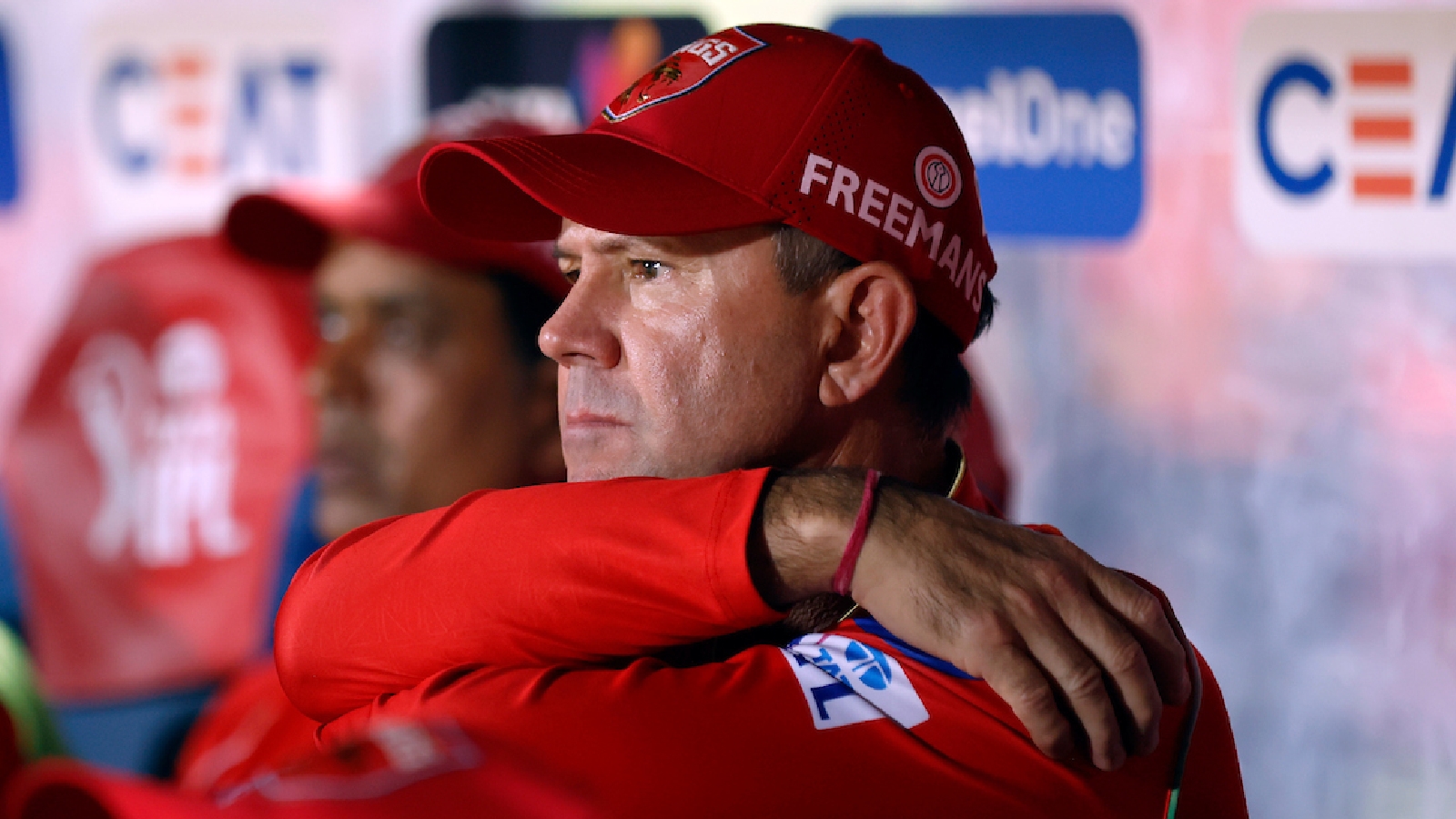
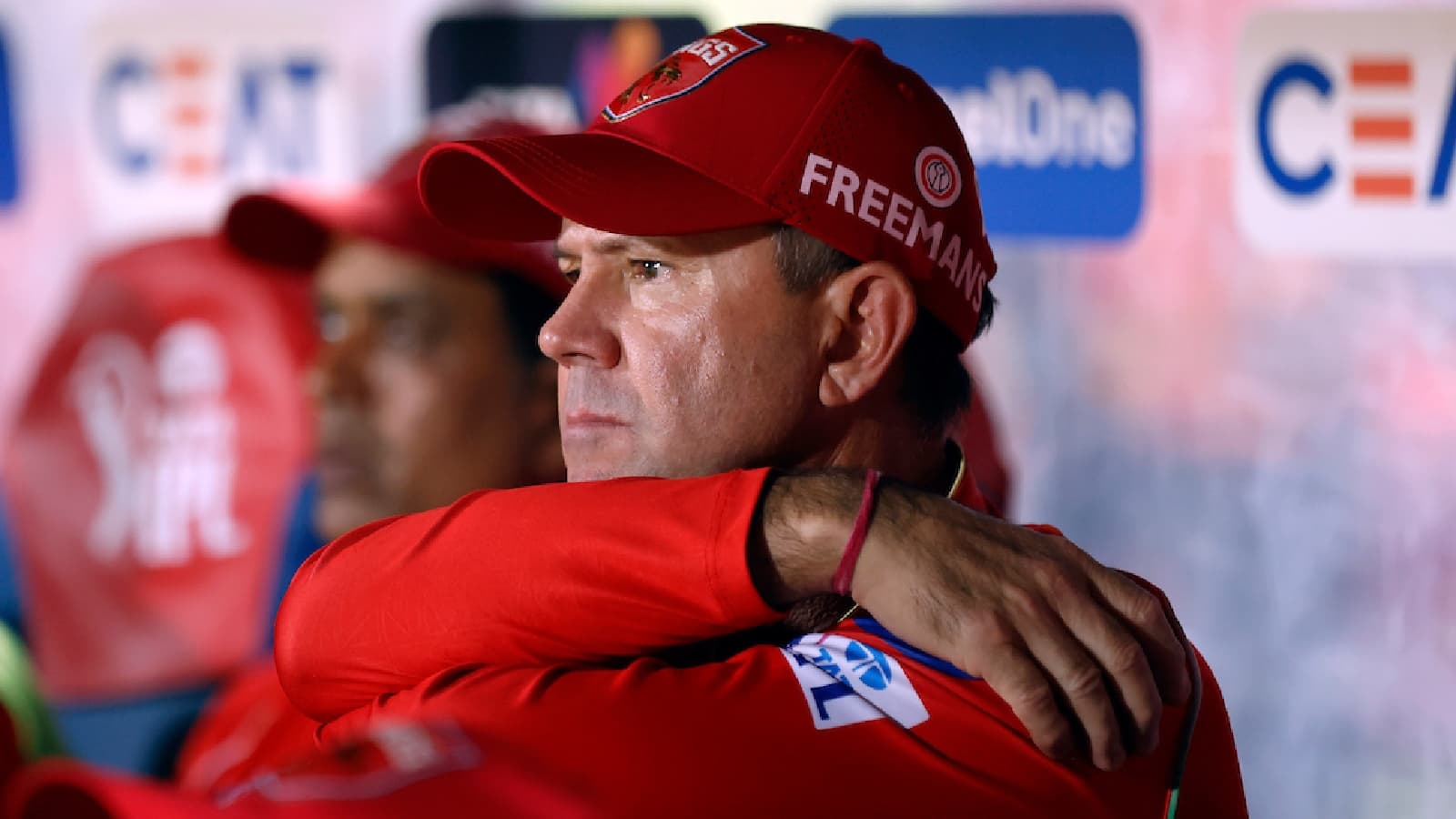
In the ever-evolving world of cricket, few voices command as much respect as that of Ricky Ponting. The former Australian captain, known for his astute cricketing acumen, has recently expressed his reservations about the future of One Day Internationals (ODIs). With a plethora of T20 leagues sprouting up globally, Ponting fears that the ODI format may soon be overshadowed, leading to its diminished role in the cricketing calendar.
Ponting's Concerns
Ponting's apprehensions were articulated during a recent interview where he stated that it is “inevitable” that ODIs will be played less frequently as the popularity of T20 formats continues to soar. The sheer pace and excitement of T20 cricket, with its high-octane matches and thrilling finishes, have drawn spectators and players alike, creating a compelling case for the shorter format. As more T20 leagues emerge, the question arises: Will ODIs be relegated to the history books?
The stats hint at a trend. Since the inception of the Indian Premier League (IPL) in 2008, the landscape of cricket has shifted dramatically. The IPL has not only provided a lucrative platform for players but has also captured the imagination of fans worldwide. Many international cricketers are now prioritizing T20 leagues, leading to fewer opportunities for ODI cricket.

The BCCI's Viewpoint
The Board of Control for Cricket in India (BCCI) has remained optimistic about the future of cricket formats. Recently, they confirmed that the Indian cricket teams will be staying in designated hotels during the Asian Games, showcasing their commitment to ensuring top-notch preparations. This meticulous attention to detail demonstrates the BCCI’s confidence in both the ODI and T20 formats.
However, as Ponting noted, the challenge lies in balancing the traditional formats with the ever-enticing T20. The BCCI is aware of the need to adapt, yet it remains to be seen how this will influence the scheduling of ODIs in the coming years.
The Global Perspective
Cricket is not just about India; it is a global sport. The emergence of T20 leagues in different countries has reshaped the very essence of the game. From the Caribbean Premier League to the Big Bash League in Australia, cricketers are finding financial security and fame in T20s. This shift in focus has raised eyebrows and led to discussions about the fate of ODIs.
Ponting's fears resonate with many cricket purists who cherish the ODI format for its unique blend of strategy and skill. ODIs have often been the breeding ground for epic rivalries and memorable tournaments, with the ICC Cricket World Cup being the pinnacle. The question remains: can ODIs coexist with T20 formats, or is one destined to outshine the other?
A Critical Juncture
As the cricketing fraternity grapples with this question, the dialogue around ODIs is critical. Ponting suggests that the International Cricket Council (ICC) must take proactive steps to ensure the format's relevance. Innovations such as introducing day-night ODIs or modifying rules to make the game more engaging could be potential solutions.
Moreover, the role of international cricket boards will be pivotal. They need to promote ODIs alongside T20 leagues, ensuring their players participate in both formats. The balance is delicate, but it is essential for the health of the game.
A Call to Action
Ponting’s candid reflections compel administrators and stakeholders to reevaluate their strategies. While T20 cricket offers excitement, ODIs provide depth and a narrative that is often lacking in shorter formats. The challenge lies in preserving the essence of both formats, fostering an environment where they can thrive together.
It is also worth considering how emerging players navigate this landscape. For instance, young talent like Ishan Kishan, who has made strides in both formats, exemplifies the potential for players to adapt and excel in varying conditions. His evolution as a cricketer, as highlighted in another article, serves as a testament to the ongoing relevance of ODIs amidst T20 allure.
The Road Ahead
The dialogue around the future of cricket must not merely focus on T20s eclipsing ODIs. Instead, it should promote a collaborative vision where both formats can coexist, each serving its purpose. Ponting’s insights serve as a wake-up call, urging cricketing authorities to cherish and preserve the ODI format while embracing the excitement of T20.
As we look towards the upcoming seasons, including the thrilling IPL, the cricketing world waits with bated breath. How will the dynamics between ODIs and T20 leagues evolve? Can we expect a restructuring of the international calendar that accommodates both formats?
In conclusion, while the allure of T20 cricket is undeniable, it is essential to remember the rich heritage of ODIs. Ponting's warning should not fall on deaf ears; rather, it should ignite discussions and actions that ensure the survival and prosperity of all cricket formats.

The future of cricket may very well depend on the choices made today, aiming for a harmonious balance that caters to both traditionalists and modernists alike. The stakes are high, and the cricketing community must rise to the occasion, embracing the challenges and opportunities that lie ahead.