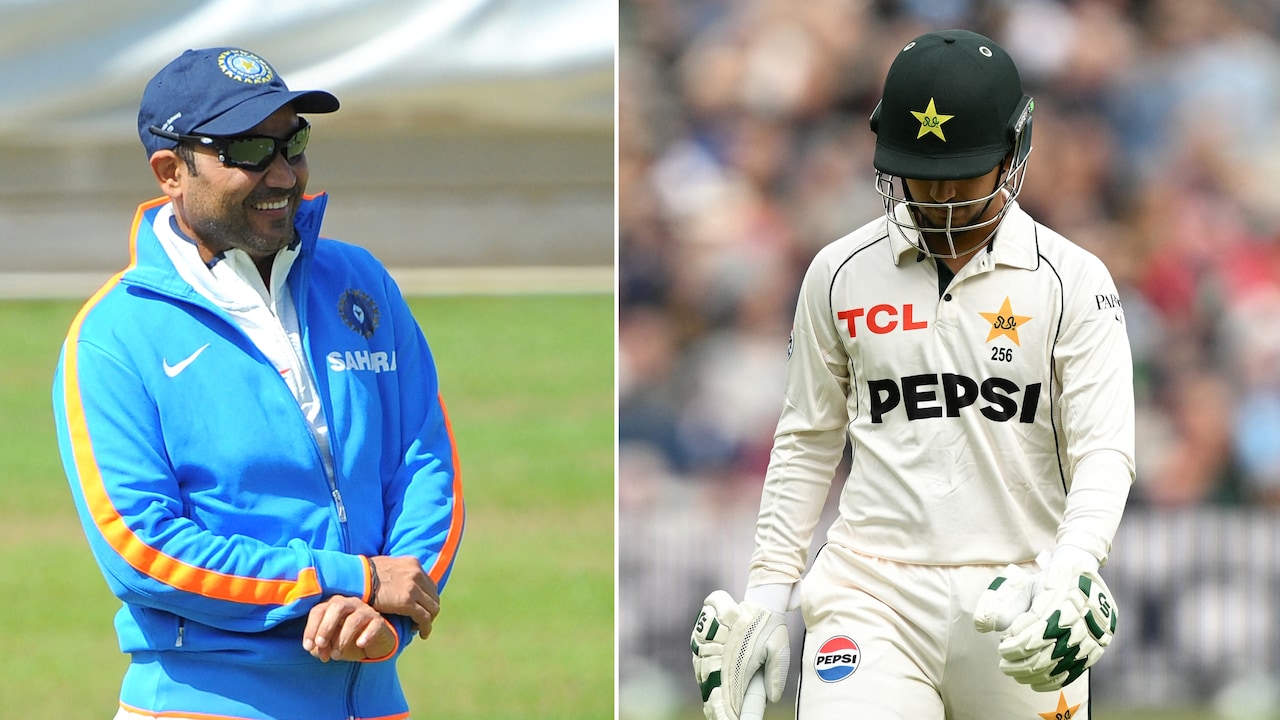
Nasser Hussain's Sharp Critique of Pakistan's Selection Committee
In the world of cricket, few things raise eyebrows like a team’s selection decisions, especially when those choices are inconsistent with the rigors of the format. Former England captain Nasser Hussain has recently aimed his critical lens at Pakistan's selection committee for their controversial choice to summon Saim Ayub from T20 cricket without adequate preparation in first-class conditions. This debate reignites questions about the broader implications of such decisions on a player’s development and the team’s performance in high-stakes Test matches.
Hussain, who has always been an outspoken advocate for the sanctity of traditional formats, expressed his concerns regarding Ayub’s abrupt transition. The young player, who has shown promise in the T20 circuit, has not been extensively tested in the longer format. Hussain likened this reckless call to a previous situation involving Virender Sehwag, who faced similar scrutiny when he transitioned from a limited-overs style to Test cricket without the requisite adaptation period. The crux of Hussain’s argument lies in the need for players to acclimatize to the rigors of Test cricket, where patience and technique are paramount.
The pressure for immediate results can often lead to rash decisions, as seen in Pakistan's selection history. Critics have pointed out that rushing players into the Test arena without first-class experience is akin to sending a child to a lion’s den without a shield. Players like Ayub, while talented, require time to hone their skills against varied bowling attacks in the domestic circuit before facing the top-tier challenges presented in Test cricket.

The Importance of First-Class Preparation
First-class cricket remains the bedrock upon which successful Test careers are built. The nuances of the longer game—dealing with swing and seam, batting for extended periods, and building partnerships—demand a different skill set compared to the frenetic nature of T20 cricket. Hussain has called for a more systematic approach to player development within the Pakistan setup, where young talents are nurtured through the rigors of first-class matches before being thrust into the Test arena.
As Pakistan gears up for critical Test series ahead, it becomes imperative to assess the fitness and readiness of its players. Hussain’s critique aligns with the ongoing discussions about the mental and physical readiness of cricketers transitioning from limited-overs formats to the demands of Test cricket. Staying true to the adage that “time is cricket’s greatest teacher,” it is essential for the selectors to prioritize nurturing talent through patience and understanding of the format.
Mohammed Siraj’s Journey: A Tale of Resilience
In a parallel narrative, Mohammed Siraj, the Indian fast bowler, has recently opened up about his own struggles with maintaining rhythm after long breaks. In the Duleep Trophy final, Siraj's inconsistency in the first innings starkly contrasted with his impressive comeback in the second, showcasing the challenges players face in regaining form after extended lay-offs. “My body doesn’t handle long breaks well,” Siraj remarked, a sentiment that resonates with many cricketers who navigate the fine line between fitness and form.
The mental aspect of cricket cannot be understated. Like Hussain’s concerns regarding Ayub’s abrupt selection, Siraj’s experience reflects the importance of a steady progression through competitive cricket. Each bowler requires time and game time to rediscover their rhythm, especially when returning from injury or long periods of inactivity. His journey underscores the significance of consistent match practice in both domestic and international arenas.
Siraj's revival in the second innings serves as a reminder that while talent is essential, the ability to adapt and recalibrate is equally crucial for success at the highest level. As players like Siraj navigate through their careers, their experiences will be invaluable for younger cricketers, including Ayub, who may face similar pressures and expectations.
The Broader Implications for Pakistan Cricket
Pakistan cricket is at a crossroads, with its selection policies under scrutiny. The decision to overlook the importance of first-class preparation can have long-term ramifications, affecting not only the players involved but also the national team's performance. As Hussain pointed out, such decisions can result in a lack of confidence, damaging young cricketers' prospects before they truly begin their careers.
The Pakistan cricket board must engage in a thorough evaluation of its selection processes, ensuring that players are equipped with the right experience to thrive in Test cricket. This involves striking a balance between nurturing young talent and adhering to the foundational principles that have historically led to success in the longest format of the game.
In conclusion, as the cricketing world looks towards future Test series, the lessons from both Hussain's critique and Siraj's experiences must be taken to heart. The stakes are high, and the future of talented players like Saim Ayub rests on the decisions made today by the selection committee. It is crucial for Pakistan cricket to learn from its past and invest in the long-term development of its players.
For further insights on player performances, check our piece on Shafali Verma Leads India to Asia Cup Final Triumph and Bowling Stars Shine in County Championship Action.