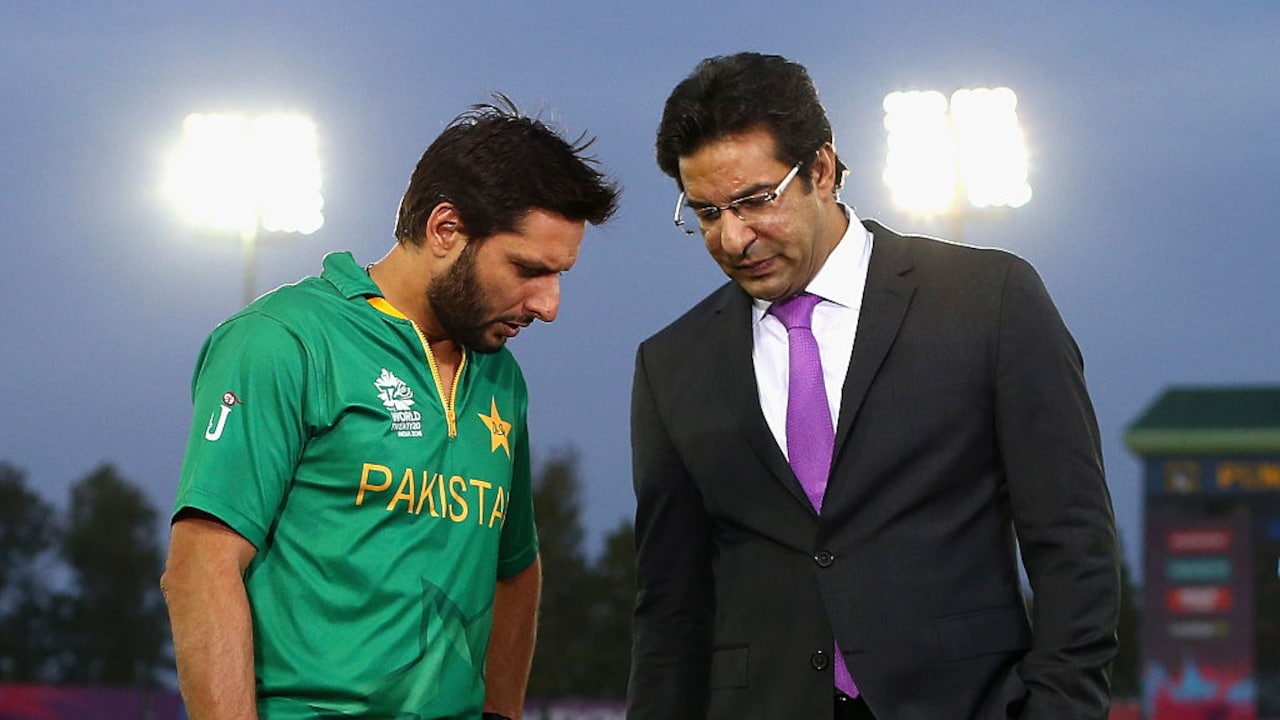
A Critical Juncture for Pakistan Cricket
The state of Pakistan cricket has never felt so precarious. Following a string of underwhelming performances, including a recent dismal showing during the England tour, the legendary Wasim Akram has voiced his concerns, predicting this downward trajectory. The former captain lamented the long-term repercussions of poor management and decision-making within the Pakistan Cricket Board (PCB). With past glories fading into memory, the current crop of players face immense scrutiny from fans and former greats alike.
Leadership and Accountability Under Fire
The criticism from cricketing legends does not end with Akram. Other former players have joined the chorus, demanding accountability at the highest levels. The board's decisions regarding team selection, coaching staff, and overall strategy have come under intense examination. Pakistan's recent performance, including their humbling defeats in England, is a reflection of the structural issues within the PCB. The team is in disarray, struggling to find consistency in both batting and bowling, a stark contrast to the potent side they once were.
Akram's predictions appear prophetic as the team continues to falter. The upcoming World Cup looms, and the team’s preparation remains a point of contention. With the board prioritizing short-term fixes over long-term planning, the situation grows increasingly dire.

Shaheen Afridi: A Player's Perspective
In the midst of this turmoil, Shaheen Shah Afridi stands out as a beacon of hope. Afridi, who has been sidelined due to injury concerns, has emphasized his commitment to reclaiming his place in the Test side. His recent participation in domestic cricket's President's Trophy marks a significant step in his recovery. Afridi's focus on returning to form showcases the determination of players who wish to bring Pakistan cricket back to its rightful place on the world stage.
The left-arm pacer’s absence has been felt deeply, particularly during the England tour. Pakistan’s bowling attack lacked the incisiveness that Afridi typically brings. His ability to bowl yorkers at will and command the death overs has often swung matches in Pakistan’s favor, and his return could provide the catalyst the team desperately needs. As Afridi sets his sights on Test cricket, he not only aims to return as a player but also as a leader who can inspire his teammates.
Afghanistan's Tactical Preparations
While Pakistan struggles, Afghanistan cricket is on the rise, preparing meticulously for their T20 series against India. Under the leadership of Ibrahim Zadran, Afghanistan aims to capitalize on the uncertainty surrounding Pakistan's cricketing prospects. They have reportedly devised strategies specifically targeted at neutralizing the threat posed by Indian players, particularly Vaibhav Sooryavanshi, who has emerged as a key performer in recent matches.
This focus on tactical preparation speaks volumes about Afghanistan's ambition to make a mark in international cricket. With a young and dynamic squad, they are not just participating but are actively seeking to compete against established teams. The contrasting fortunes of Afghanistan and Pakistan highlight the importance of vision and planning in cricket administration. As mentioned in our earlier coverage, Ibrahim Zadran’s leadership signals a new era for Afghan cricket.

A Call for Change
The ongoing crisis in Pakistan cricket demands urgent attention. Fans and analysts alike are calling for a complete overhaul of the PCB. Many believe that fresh leadership is essential to restore faith in the system. The board's recent mass sackings have only intensified the debate regarding its future direction. The need for a cohesive strategy that addresses both immediate performance issues and long-term development cannot be overstated.
As the World Cup approaches, the pressure on the PCB to deliver results is mounting. Former players have suggested that the board's focus should shift toward nurturing young talent and building a robust cricketing infrastructure. Such a vision would not only serve Pakistan cricket in the short term but could foster a generation of players capable of competing at the highest levels.
The Fans' Perspective
The passionate Pakistani fanbase has always played a crucial role in the team’s successes and failures. Their unwavering support has often buoyed the players, but recent performances have tested their patience. The discontent and frustration among fans are palpable, with many calling for accountability from both players and management. Trust needs to be rebuilt, and this can only be achieved through consistent performances and transparency from the PCB.
Conclusion: A Path Forward
As Pakistan cricket navigates this turbulent period, the focus must remain on recovery and rebuilding. The path forward lies not only in the return of players like Shaheen Afridi but also in fostering a culture of accountability and excellence within the PCB. The time for change is now. Whether the board can rise to the occasion remains to be seen. The lessons from Afghanistan’s tactical approach should not be ignored. They serve as a reminder that a well-planned strategy can propel a team to new heights, and Pakistan must take heed if they are to reclaim their status in the cricketing world.
For more insights on the changing dynamics of international cricket, read our articles on Ibrahim Zadran's new era and Shaheen Afridi's potential impact.