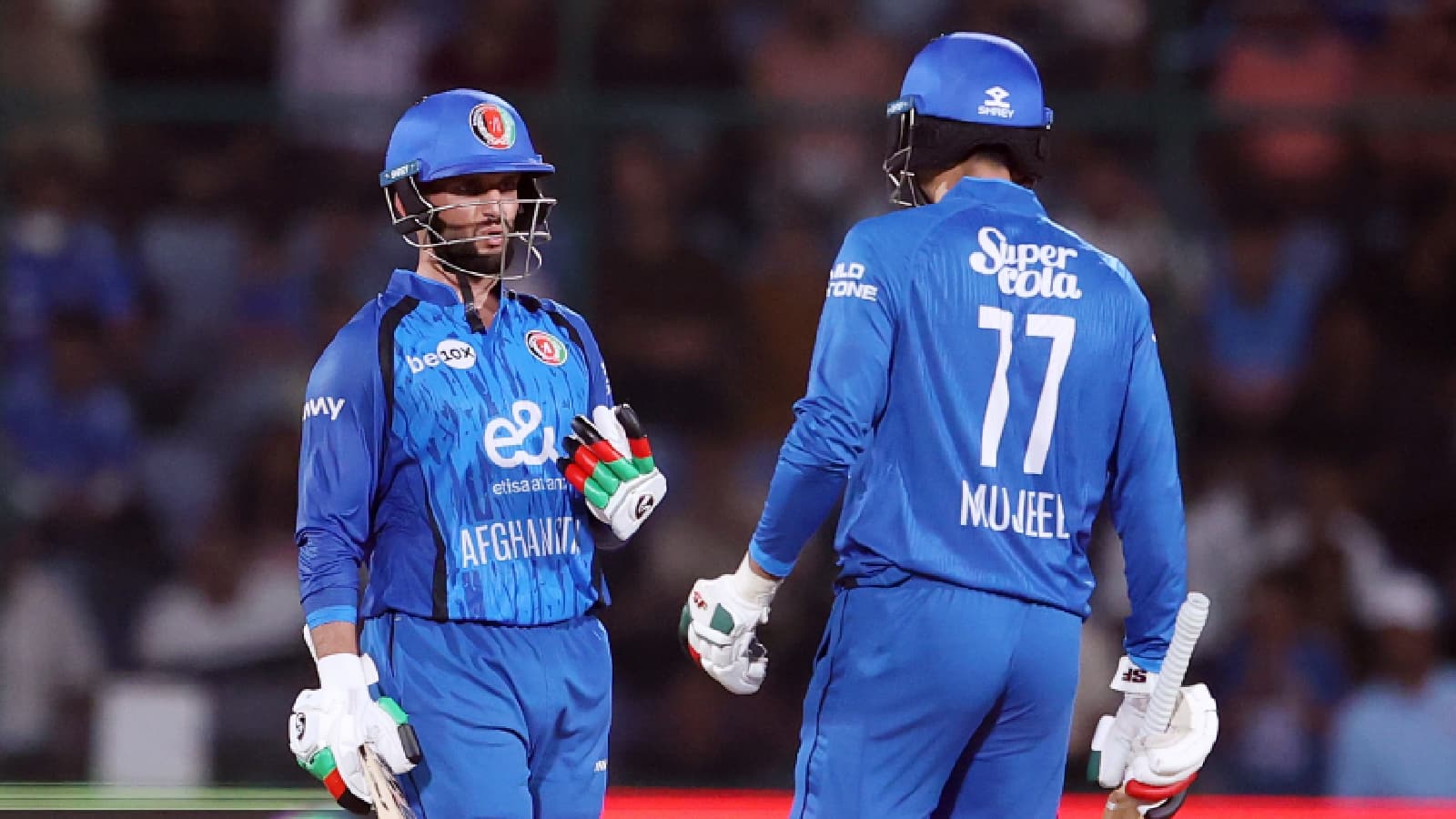
Afghanistan's Cricketing Challenges
Afghanistan's cricketing journey has been nothing short of remarkable. Emerging from the shadows of conflict, they have established themselves as Asia’s second-best team. Yet, the current reality reveals a harsher truth: the lack of sufficient match exposure is hindering their development and competitiveness on the international stage. With the T20 World Cup looming, this situation raises pressing questions about the team's readiness and strategy for the tournaments ahead.
The Afghanistan cricket team has made impressive strides, showcasing talent that rivals the best in Asia. Players like Rashid Khan, Mohammad Nabi, and Gulbadin Naib have carved their names into the cricketing world with their performances in various leagues, including the IPL. However, the number of international matches they play each year remains woefully inadequate. This scarcity affects their ability to gel as a unit and build momentum. Experts have pointed out that a consistent schedule of competitive matches is crucial for any team looking to advance in the world rankings.

The recent analysis by cricketing authorities indicates that while Afghanistan boasts a talented roster, their exposure to high-pressure situations is limited. In T20 cricket, where adrenaline and strategy intertwine, the ability to perform under pressure can define a team's success. Afghanistan's lack of frequent high-stakes matches means their players do not face the same intensity as those from more established cricketing nations. This issue is further compounded by the turbulent political situation in Afghanistan, which has led to security concerns and logistical challenges in hosting international fixtures.
The Impact of Limited Matches
The dearth of matches affects not just the players but also the coaching staff's ability to implement strategies and fine-tune skills. Without regular exposure to diverse playing conditions and opposition strategies, players can become one-dimensional. The Afghanistan team has the potential to perform spectacularly, evidenced by their thrilling encounters in the T20 format. Yet, they often fall short against teams that have the advantage of continuous match practice.
Former cricketers and analysts have echoed these sentiments, highlighting the importance of a robust domestic competition to supplement international fixtures. The Afghanistan Premier League (APL) has made strides in this regard, but it lacks the depth and frequency of other domestic leagues like the IPL or Big Bash League. For Afghanistan to thrive, a holistic approach to cricketing infrastructure is essential, which includes better domestic leagues and more international friendlies.
The recent T20 series against India illustrated these challenges starkly. Despite some moments of brilliance, Afghanistan struggled to maintain consistency, ultimately losing the series. The experience gained from playing against a team like India is invaluable, yet without a regular schedule of such encounters, it becomes just a fleeting opportunity. The team management must prioritize securing more fixtures against competitive sides if they are to build a reputation as formidable opponents.
Player Development and Future Prospects
The future of Afghanistan cricket hinges on its ability to cultivate young talent while also providing them with the necessary platform to shine. As noted in various reports, the cricketing board is focusing on grassroots initiatives to scout and develop talent across the nation. Initiatives that encourage youth participation in cricket will eventually yield benefits at the international level. However, this long-term vision needs to be matched with immediate solutions to address the lack of matches.
In terms of player development, individuals like Rashid Khan stand out. His success in the IPL is a testament to what Afghan players can achieve on the global stage. However, it's crucial that young talents receive similar opportunities to play in high-pressure environments. The IPL has shown how domestic leagues can elevate players’ games, and Afghanistan’s cricket board could benefit from partnerships with established leagues to facilitate player exchanges.
The Road Ahead
Looking to the future, Afghanistan's cricketing ambitions must align with a structured plan to increase match exposure. This means negotiating bilateral series with other nations and participating in more international tournaments. Additionally, the cricket board must explore options to host matches in secure venues, possibly in neutral countries, to mitigate security concerns.
The upcoming T20 World Cup will serve as a litmus test for Afghanistan. Their performance in the tournament could spark interest in more international engagements, paving the way for a more consistent cricketing calendar. The players understand the gravity of the situation. They are eager to compete and prove their worth as a cricketing nation. If they can channel their energy and passion into performance, the world will take notice.
In conclusion, while Afghanistan cricket stands at a crossroads, the potential is undeniable. With a strategic focus on increasing match exposure, nurturing talent, and enhancing domestic leagues, Afghanistan can transform its cricketing fortunes. The journey has been arduous, but with determination and a clear vision, they can soar to new heights.
For a deeper exploration of the cricketing landscape, check out our articles on Varun Chakaravarthy's Resilient Comeback and Abhishek Sharma's Explosive Knock.
Conclusion: Time for Action
As the cricketing world watches closely, Afghanistan must seize the moment. The players and management must act decisively to ensure that their talents are not wasted. If they can successfully navigate these challenges, the future of Afghanistan cricket could indeed be bright.