Bangladesh's T20 World Cup Withdrawal: An Inside Look
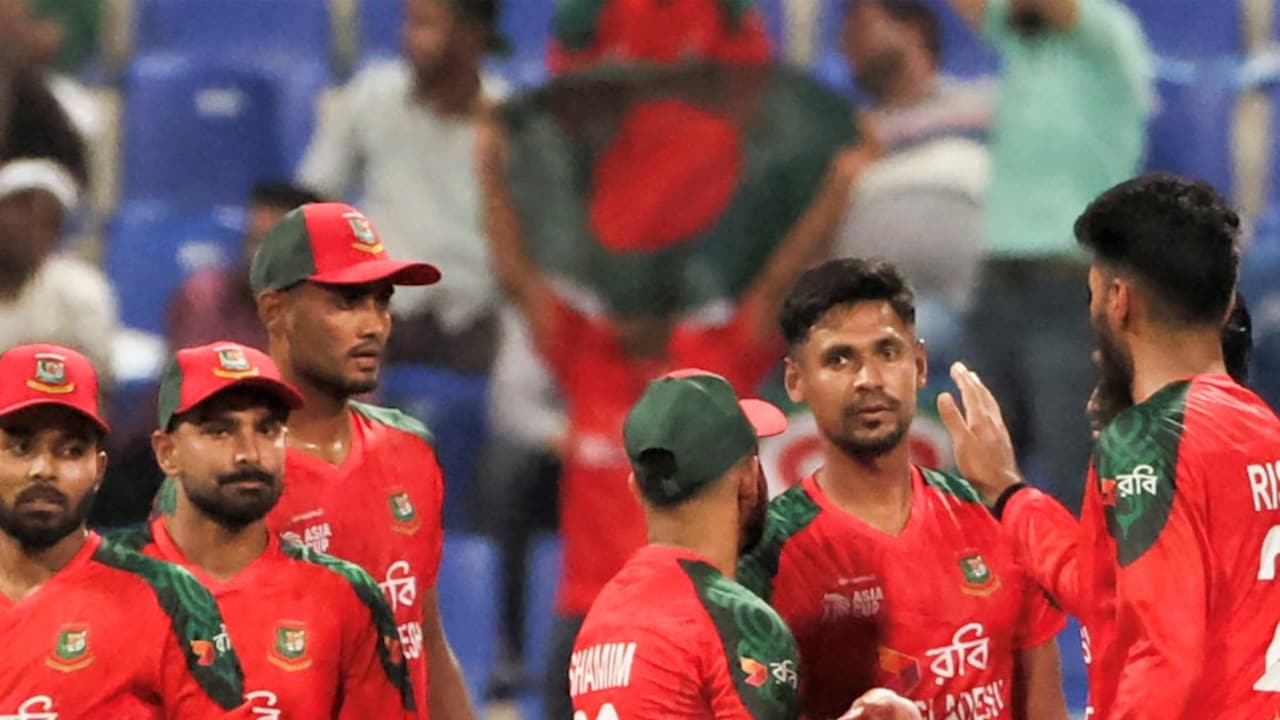
In a stunning turn of events, Bangladesh's withdrawal from the T20 World Cup has sent ripples through the cricketing community. The decision, which shocked fans and analysts alike, was not as abrupt as it appeared. Investigation reports indicate that players were reportedly aware of the situation and had agreed with the decision made by the cricketing authorities. This revelation raises pressing questions about team dynamics, communication, and the future of cricket in Bangladesh.
The Context of Withdrawal
The backdrop to the withdrawal involves a myriad of factors, including financial constraints and a lack of preparation time. Bangladesh’s former youth and sports adviser, Asif Nazrul, has emerged at the center of this controversy, asserting that the players were not only informed but also consented to the decision. This claim is pivotal, as it suggests a level of complicity among players who were expected to represent their nation on a global stage.
The T20 World Cup is not just any tournament; it represents a chance for nations to showcase their cricketing prowess. For Bangladesh, a team that aspires to be a formidable force in international cricket, withdrawing from such an event could have long-lasting repercussions on its global image and player morale.

Players' Perspectives and Reactions
The players' acceptance of this decision raises questions about their confidence in the leadership of the Bangladesh Cricket Board (BCB). Was there a lack of communication regarding the team's readiness? Did the players feel they could not perform at a competitive level? These are crucial questions that need to be addressed as the BCB moves forward. The sentiment within the squad appears to be a mix of disappointment and resignation, a cocktail of emotions that could affect team spirit in future competitions.
The cricketing fraternity has reacted strongly, with fans expressing their anger on social media platforms. Supporters feel let down, and rightly so; a World Cup absence is a bitter pill to swallow. This public outcry is indicative of the growing expectations from fans who are eager to see their team compete on the highest stage. The T20 format has revolutionized the way cricket is perceived and played, which is why the decision to withdraw feels particularly disheartening.
The Impact on Bangladesh Cricket
From a broader perspective, this decision might have implications beyond the immediate fallout. It could affect sponsorship deals, fan engagement, and the overall growth of cricket in Bangladesh. The BCB has a responsibility to ensure that the team is adequately prepared for major tournaments. A strong showing at the World Cup could potentially boost interest in domestic leagues, leading to a positive cycle of investment and development.
The Bangladesh Premier League (BPL) has been a significant contributor to the rise of cricket in the country, but if the national team continues to underperform or withdraws from major competitions, it could deter both local and international sponsors. This could lead to a decline in the financial health of the sport in Bangladesh, a scenario that no cricketing nation wishes to face.
Future Implications for Players
With the T20 World Cup now off the table, players like Shakib Al Hasan and Tamim Iqbal will be left to ponder their futures. Both are seasoned cricketers who have been pivotal to Bangladesh's cricketing journey. Their experience is invaluable, yet without international exposure, how will they maintain their skills and form? The upcoming domestic season will be crucial for these players, but the lack of international fixtures presents a real challenge for their development.
As the cricketing calendar progresses, eyes will be on the BCB to rectify this situation. Will they ensure better support and communication for their players? Will they take the necessary steps to prepare for the next big tournament? The answers to these questions will shape the future of cricket in Bangladesh and determine how the nation’s cricketers are perceived globally.
Conclusion: The Path Forward
In conclusion, Bangladesh's decision to withdraw from the T20 World Cup is a multifaceted issue that touches on player readiness, financial stability, and the aspirations of a cricketing nation. The players are an integral part of this narrative, and their voices must be heard. The cricketing authorities need to engage more with players to foster a culture of openness and collaboration.

As Bangladesh looks to the future, it must learn from this experience. The road to recovery is fraught with challenges, but with a united front and clear communication, there is potential for growth. The upcoming domestic leagues, including the BPL, will be pivotal in reigniting interest and building a stronger foundation for a successful cricketing future.
For more insights into the effects of digital transformation in cricket, check our article on IPL's Digital Revolution. Additionally, catch up on how players like Vaibhav Sooryavanshi are seizing opportunities in the evolving landscape of T20 cricket.