Introduction
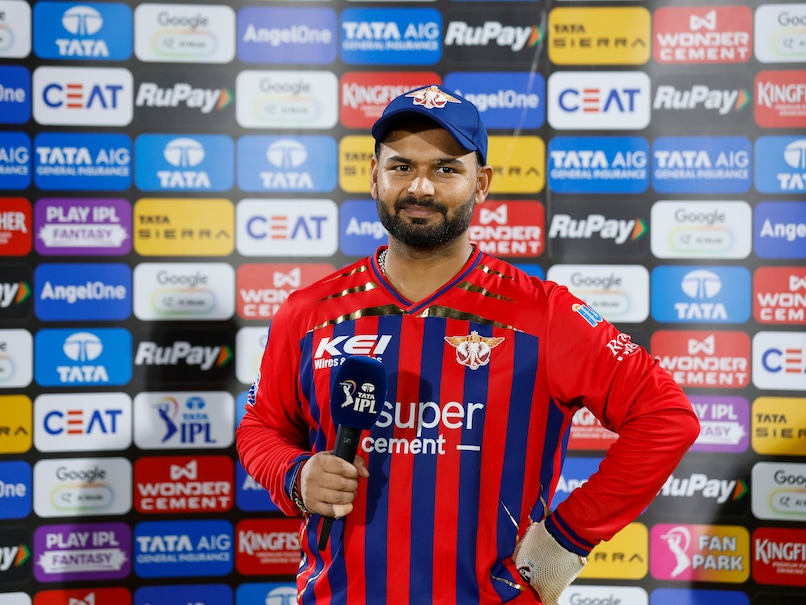
The Indian Premier League (IPL) has always been a double-edged sword, offering a platform for players to showcase their talent while simultaneously thrusting them into the relentless glare of public scrutiny. Recently, Rishabh Pant, the Lucknow Super Giants captain, found himself at the epicenter of controversy following an unfiltered post-match interview. In a surprising twist, cricketing legend Sunil Gavaskar stepped in to defend Pant, attributing the fallout to the intense pressures of IPL culture.
The Incident
During a post-match conference, Pant's candid remarks about his team's performance raised eyebrows, leading to a barrage of criticism from fans and analysts alike. Many felt his comments were unprofessional, especially coming from a captain. However, Gavaskar suggested that these reactions were symptomatic of the high-stakes environment that the IPL fosters. The former India captain stated, "Is that too much to ask? We need to understand the pressure these young players are under."
This incident is not isolated; it highlights a growing trend where players, particularly captains, are increasingly held to account for their words in the heat of the moment.

The Pressure Cooker Environment
The IPL’s format is relentless. With matches scheduled back-to-back, players are often left with little time to process their experiences before facing the media. The expectations from fans, owners, and management can become overwhelming, creating a pressure cooker environment that sometimes results in emotional outbursts. Gavaskar’s remarks underline a crucial aspect of modern cricket: players are not just athletes; they are also public figures who must navigate the complex dynamics of fame and criticism.
While Gavaskar’s backing of Pant is commendable, it raises questions about the support system in place for players. Are franchises providing adequate mental health resources? Are they training players to handle media pressure effectively? As the IPL continues to grow, these questions will become increasingly important.
Leadership Under Fire
Gavaskar's intervention comes at a time when IPL captains are under significant scrutiny for their leadership styles and team performances. This brings us to a broader discussion about the future of captaincy in the IPL. With the 2026 season nearing its conclusion, several captains, including Pant, may find their positions in jeopardy. A recent article highlighted three captains who should consider stepping down after this season, emphasizing that the constant pressure to perform can lead to poor decision-making on the field.
Pant's performance as a leader has been a mixed bag. While he has shown moments of brilliance, inconsistency has plagued his captaincy. The question arises: can he withstand the mounting pressure and lead his team effectively in the playoffs?
The Role of Franchises
Franchises have a responsibility to support their players, especially in high-pressure situations. As the IPL evolves, it is crucial for teams to implement robust support systems that prioritize player well-being. This includes mental health initiatives, media training, and creating an environment where players feel safe to express their frustrations without fear of backlash.
The increasing commercialization of the IPL creates an environment where players’ worth is often measured solely by their on-field performances. Gavaskar's comments urge a reassessment of this approach. Players like Pant need to be seen as human beings navigating a challenging landscape, not just as commodities to be criticized.
A Balancing Act
As we analyze Pant’s situation, it’s essential to recognize the balancing act players must perform. They are expected to deliver top-notch performances while maintaining decorum in public forums. This dual expectation can lead to mental fatigue, which is often overlooked in the cricketing community.
Other players have faced similar challenges. The likes of Virat Kohli and MS Dhoni have had their moments of weakness under pressure, but their experiences have often been tempered by more extensive support structures. Pant, still relatively new to the role of captaincy, may lack the same level of experience and mentorship.
Conclusion
As the IPL continues to capture the hearts of millions, the discussion surrounding player welfare becomes increasingly vital. Sunil Gavaskar’s defense of Rishabh Pant shines a light on the need for a more compassionate approach towards players navigating the tumultuous waters of professional cricket. It is not just about performance; it is about the human experience behind the game.
While Pant’s comments may have sparked controversy, they also serve as a reminder of the complexities involved in modern cricket. The IPL is an opportunity for players to shine, but it must also be a space where they can grow, learn, and express themselves without fear of undue criticism. As we move closer to the playoffs, the cricketing world watches closely, not just for performances, but for how the leaders of the game manage the pressures that come with the territory.
For more insights on IPL 2026, check out our articles on Archer's brilliance and Gavaskar's call for calm.