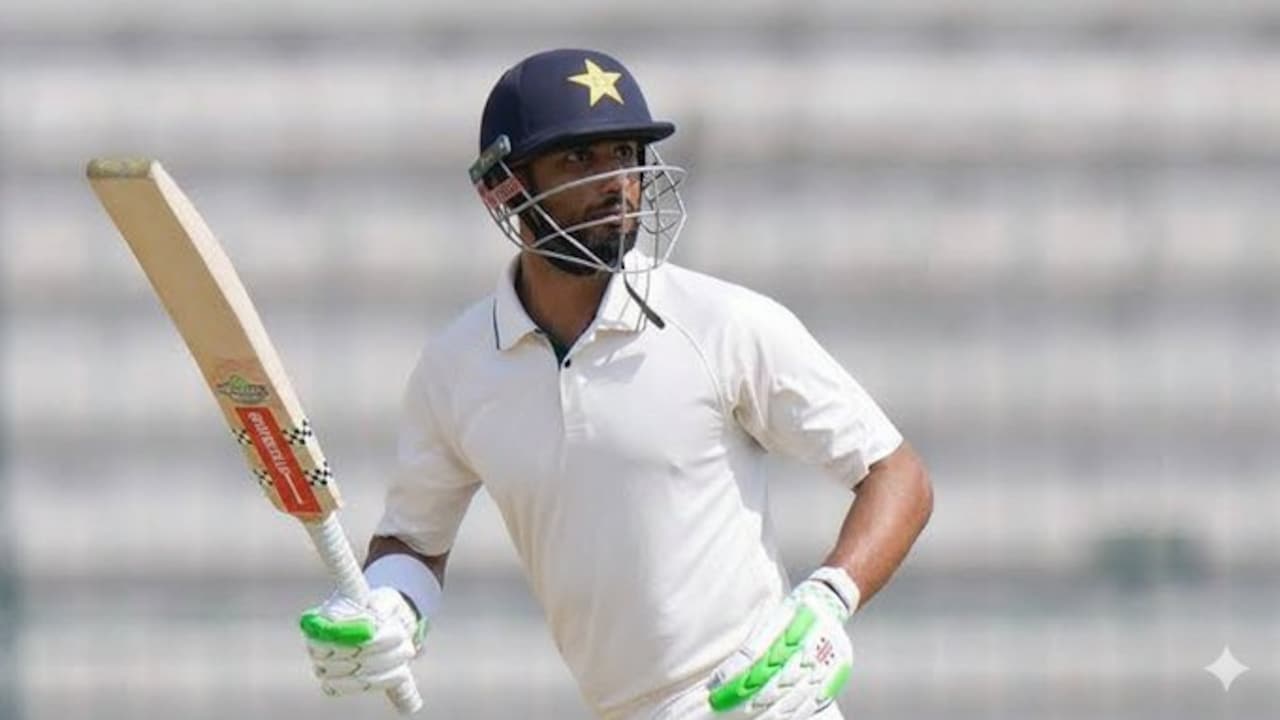
Shan Masood's Short-Lived Captaincy
Shan Masood's departure as Pakistan's Test captain marks the end of a tumultuous period for the national side. His tenure began with high hopes but quickly descended into disappointment, with the team losing 12 out of 16 matches. The Pakistan Cricket Board (PCB) has decided to move in a different direction, reflecting on what has been described as a critical need for change in the leadership structure. As Masood contemplates filing a formal complaint regarding his sacking, the future of the Pakistan Test team is uncertain, raising questions about the identity and direction of one of cricket's most storied nations.
Masood's captaincy was characterized by a series of disheartening performances. The team's poor showing on the field highlighted deeper issues within Pakistan cricket, including player selection and a lack of consistency. The PCB's decision to relieve him of his duties signifies a recognition that more than just a change in captaincy is required to rebuild the team's reputation.

The Fallout of Poor Performances
The sacking of Masood has reignited discussions about the quality of players within the Pakistan setup. Critics have labeled some of Masood's teammates as "average players," a tag that raises eyebrows given the undeniable talent that has passed through Pakistan cricket's ranks. The inconsistency on display during Masood's captaincy was alarming; the side struggled to chase down modest targets and faltered under pressure in crucial matches. The results have been unforgiving, leading many to argue that structural changes are necessary at both the managerial and player levels.
With Masood's exit, the PCB is in a position to reassess its approach. Who will take the reins next? Names like Babar Azam have been floated, but the decision will likely hinge on a broader evaluation of the squad's capabilities and the potential for revitalization. The new captain will need to inspire confidence and galvanize a squad that has lacked direction, particularly in the Test arena.
Assessing Masood’s Leadership
Masood's leadership was often questioned, particularly in high-pressure situations. His batting form fluctuated, and as captain, he needed to set a more consistent example. The team's reliance on individual brilliance rather than cohesive unit performance was evident. As Masood prepares to file a complaint to the PCB, it is crucial to reflect on how his leadership style and the team's performance will influence future appointments.
The Pakistan cricket community will be watching closely as the PCB navigates its next steps. It must address the apparent disconnect between player ability and match outcomes. For Masood, the experience may serve as a learning opportunity, as he navigates the challenges of professional sport.
The Way Forward for Pakistan Cricket
The challenges facing Pakistan cricket extend beyond just one captaincy. The PCB has a responsibility to cultivate a new generation of players who can perform consistently at the highest level. This involves investing in grassroots cricket, enhancing player development programs, and fostering a winning mentality that has historically defined Pakistan cricket.
In recent years, the national side has faced ups and downs, but the importance of establishing a clear direction cannot be overstated. With the right leadership, Pakistan can once again become a formidable force in international cricket. The underwhelming performance of the team during Masood's captaincy could serve as a catalyst for much-needed reforms.
Looking Beyond the Current Crisis
As the dust settles on Masood's departure, the entire cricketing fraternity in Pakistan must unite to address the core issues affecting the team. The PCB's willingness to embrace change is a step in the right direction, but it must also ensure that the new captain and management are supported with resources and a clear vision.
The fans of Pakistan cricket deserve a team that embodies resilience and skill, qualities that have been synonymous with the nation’s cricketing legacy. The international cricket community eagerly anticipates how Pakistan will respond to this transition. The upcoming series against formidable opponents will be a critical test for whoever steps into the captaincy role.
As cricket enthusiasts, we can't help but reflect on the storied past of Pakistan cricket. From the legendary Imran Khan to the tactical brilliance of Misbah-ul-Haq, the nation has produced some of the finest leaders in the game. It is time for a fresh chapter, one that can rekindle the passion and pride that Pakistani fans hold dear.
While Masood's exit may be seen as a setback, it could also pave the way for a brighter future. The new captain will have the opportunity to rebuild the team’s identity, cultivate young talent, and inspire a generation of cricketers who can take Pakistan cricket forward.
In conclusion, Shan Masood's departure marks not just the end of his captaincy but also a critical juncture for Pakistan cricket. The time for reflection, rebuilding, and rejuvenation is now. The cricketing world watches closely as the PCB embarks on this journey.

For fans eager to witness more cricketing action, shifts in team dynamics, and the evolution of player roles, continue following our coverage of the IPL and other cricketing events. For insights on how controversies and rankings have shaped the landscape of Indian cricket, check our recent article on Controversies and Rankings: IPL's Impact on Indian Cricket. The cricketing saga is far from over, and the next chapters await.