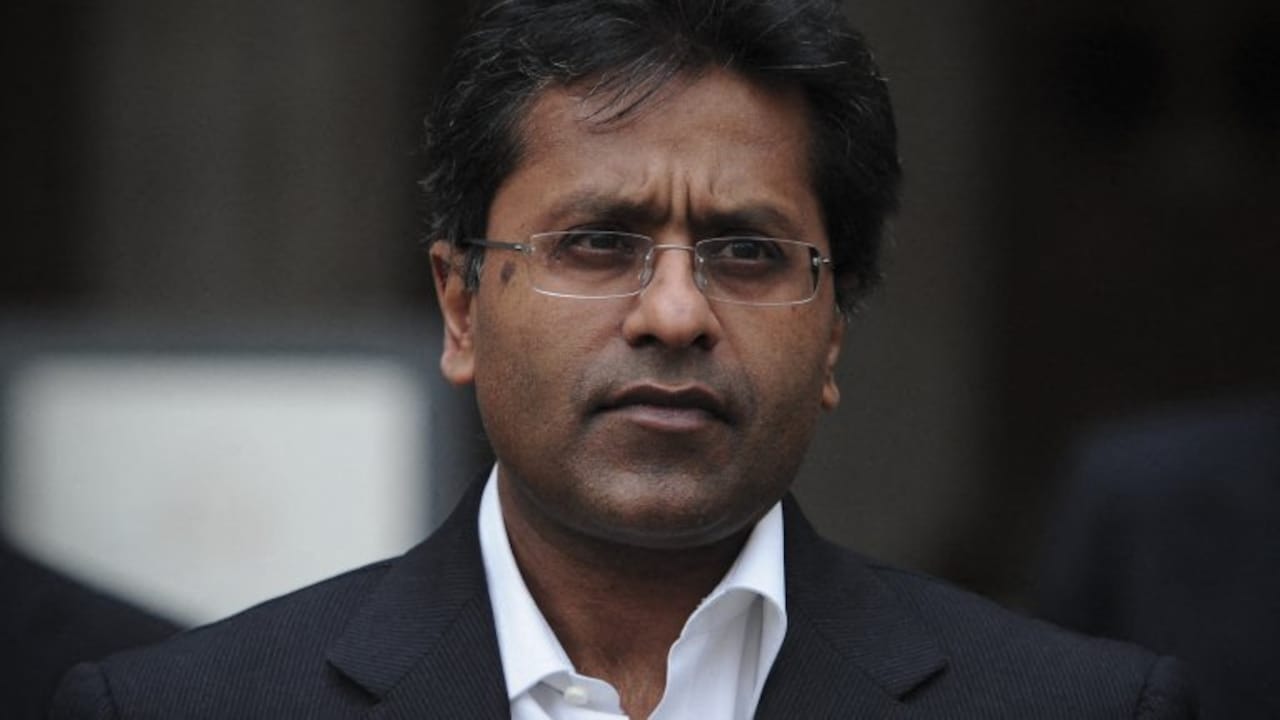
Modi's Plea to Legends
In the corridors of cricket history, few moments stand out like the inception of the T20 World Cup in 2007. As excitement built up for this groundbreaking format, Lalit Modi, then the chairperson of the Indian Premier League (IPL), recalls a critical moment during Team India's tour of England in 2007. He personally approached cricketing icons like Sachin Tendulkar and Sourav Ganguly, urging them to embrace this new format. The response from these legends was as revealing as it was unexpected.
Modi's recollection provides an insightful glimpse into a transformative period for Indian cricket. The reluctance of established players to pivot towards T20, a format still in its infancy, highlighted a generational divide. Tendulkar and Ganguly, pillars of the game, were wary of how T20 would affect the sport's traditional values. This hesitation was not merely a personal stance but echoed in the dressing rooms throughout India.

The Resistance to Change
The backdrop of India’s cricketing culture in 2007 was one rooted deeply in Test and ODI formats. Modi’s attempts to rally these senior players underscored the uncertainty that surrounded the T20 format. Cricket was evolving, and the success of the IPL would soon change the dynamics of how the game was played and perceived.
During that pivotal tour, the reluctance of Tendulkar and Ganguly to participate in the inaugural T20 World Cup was emblematic of a broader hesitation within the cricketing fraternity. The establishment was cautious, wary of a format they believed could dilute the essence of cricket. Modi's passionate appeals fell on deaf ears, yet they marked the beginning of a profound shift in the game.
The T20 Revolution
Fast forward to today, and the T20 format has not only survived but thrived, reshaping cricket's global landscape. The inaugural tournament in 2007 set the stage for a revolution that brought about new audiences, innovative strategies, and a change in how franchises operate. With the IPL as its cornerstone, the T20 format has become a significant revenue generator and a breeding ground for future stars.
The success of the T20 World Cup was instrumental in changing perceptions. Cricketers who once viewed the format with skepticism have now embraced it, often competing fiercely in domestic leagues, including the IPL. It’s ironic to think that the same legends who were hesitant to participate are now some of the most ardent supporters of T20 cricket.
Rashid Khan's Return: A Different Narrative
In another striking cricketing narrative, Afghanistan's skipper Hashmatullah Shahidi recently commented on Rashid Khan's potential return to Test cricket. Having last donned the whites in 2025 against Zimbabwe, Rashid's impact on the shorter formats has been undeniable. His return to Test cricket could signify a broader trend where players are diversifying their skills across formats. As Shahidi noted, the dynamics of modern cricket require adaptability, and as the T20 format continues to dominate, Test cricket must vie for the attention of players and fans alike.
What does this signify for aspiring cricketers? It illustrates the need to adapt and evolve, a sentiment echoed in the rise of players who now juggle multiple formats. The balance between T20 excitement and Test cricket's traditional allure is delicate, yet vital.
A First in Women's Cricket
Meanwhile, in another corner of the cricket world, Bhutan's Ritshi Choden made headlines by becoming the first female cricketer to be timed out during a match. This incident sparked a debate about the rules and their application, particularly in women's cricket. Nepal's cricket board expressed their displeasure over the decision, highlighting the growing pains of women's cricket as it seeks to establish its identity and standards.
The reaction to Choden's situation serves as a reminder that cricket, at all levels, must continue to evolve. As the game grows, so too should the understanding and execution of its laws, ensuring fairness and respect across the board.
Looking Ahead
As we move deeper into the IPL 2026 season, the implications of these narratives are profound. The discussions surrounding player participation in various formats, and the evolving nature of cricket itself, directly impact how teams are built and how strategies are formulated. The IPL has become a melting pot of talent, and with the T20 World Cup on the horizon, the stakes are high.
Franchises are not just looking for players who can hit sixes or bowl yorkers; they are searching for characters, leaders, and innovators who can adapt to the ever-changing demands of the game. This evolution in thinking can be seen in players like Suryakumar Yadav, whose captaincy is now under scrutiny following India’s T20 World Cup triumph. The pressure to perform, both individually and collectively, is palpable, especially with the spotlight shining brightly on the IPL.
For in-depth discussions on Suryakumar Yadav's captaincy challenges and the IPL's impact on India's T20 World Cup plans, check out our previous articles on Suryakumar Yadav Faces Captaincy Crisis Post T20 World Cup Triumph and IPL 2026: India’s T20 World Cup Plans Take Shape.
With the landscape of cricket continually shifting, the essence of the game remains in its adaptability. Whether it’s the legends of the past or the stars of tomorrow, cricket's future is as exciting as ever, promising thrilling moments in the years to come.