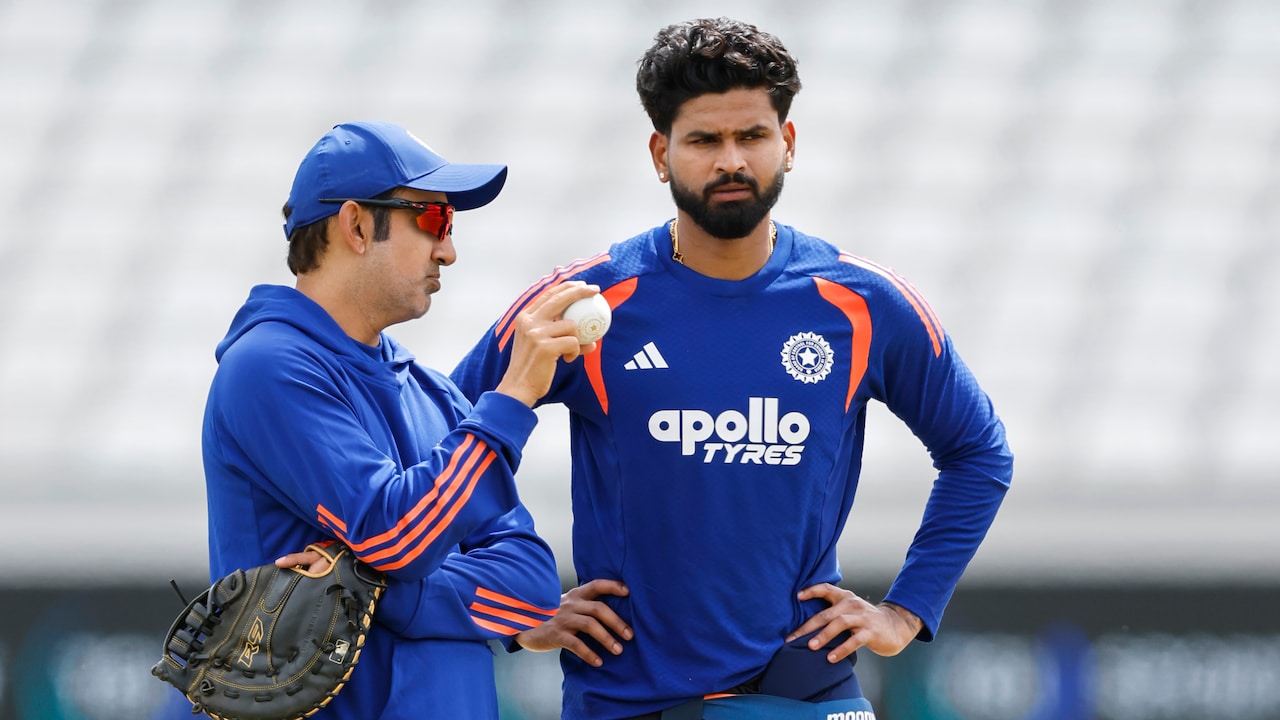
A Shocking Series of Losses
India's recent T20I series against England was nothing short of disastrous. The team suffered a 0-4 defeat, following a disappointing 0-2 loss to Ireland prior to that. This string of defeats has prompted serious discussions about the country's cricketing direction as the Board of Control for Cricket in India (BCCI) faces mounting pressure to reassess its player selections and coaching strategies. Sanjay Manjrekar, the former cricketer and commentator, has been vocal about the need for accountability within the team. He particularly emphasized that scapegoating individuals like Gautam Gambhir or Shreyas Iyer would be an easy way out, suggesting that the BCCI needs to look deeper into the systemic issues affecting the squad.
In the wake of these defeats, the Indian team appears to be grappling with an identity crisis. The once-mighty batting lineup, which has often been described as the backbone of the national setup, has seemed fragile and inconsistent. Manjrekar's comments about the Indian batters being overly reliant on IPL performances resonate loudly. As he noted, the team appears to be suffering from an 'IPL makeup' syndrome, which highlights a stark contrast in performance once the players don the national colors.

Need for Systemic Change
The BCCI's approach to player selection and management will come under scrutiny as they prepare for future international assignments. The question arises: who should bear the brunt of accountability? Manjrekar pointed out that it’s easy to target visible figures like Gambhir and Iyer, but the underlying issues are more complex. The decisions taken at the grassroots level, including player development and scouting, need a comprehensive review.
This series of defeats has also raised eyebrows about the coaching staff’s effectiveness. Shreyas Iyer's captaincy, in particular, has come under fire as it appears to lack the necessary tactical acumen required for T20 cricket. His leadership style has failed to inspire confidence among the players, raising questions about whether he is the right man to lead the side forward.
Assessing the Batting Order
The batting order has been a point of contention. The reliance on IPL form has clouded the team’s selection process, often leading to players being included based on their franchise performances rather than their national team readiness. The likes of Virat Kohli and Rohit Sharma, who have been stalwarts in the format, are now facing pressure to perform consistently. However, the support from the middle and lower order has often been underwhelming, leaving the team in precarious positions in matches.
As teams around the world adapt to evolving T20 strategies, India seems stuck in a rut. The lack of adaptability in high-pressure situations has been glaringly evident. Manjrekar’s insights about the need for a more robust system to develop players who can handle international cricket's pressures are crucial. The BCCI must not only look at current players but also focus on nurturing future talent through effective coaching and mentorship programs.
The Role of IPL in Player Development
The IPL has been a double-edged sword for Indian cricket. On one hand, it has produced a plethora of talent, while on the other, it has created a false sense of security. Players who excel in the IPL are often overvalued when it comes to national selection. The disparity between IPL performances and international outings is evident; thus, a recalibration is necessary. Manjrekar's remarks about the state of Indian batters highlight this pressing issue.
The experience gained by players in the IPL should ideally translate into better performances internationally. However, the lack of cohesion in the team’s batting strategy during the recent T20I series exhibited a disconnect between IPL success and international performance. The BCCI needs to ensure that players maintain a focus on national commitments, treating them with the same importance as franchise cricket.
Conclusion: A Road Ahead
The BCCI finds itself at a crossroads. Major changes seem inevitable if India is to restore its position as a T20 powerhouse. Manjrekar's suggestions for introspection among coaches and players are timely. The board must undertake a thorough review of its performance and possibly make key changes to the coaching staff before the IPL season kicks off. As momentum builds towards the next T20 World Cup, the Indian team's ability to adapt and innovate will be critical.
The recent series defeats should serve as a wake-up call, not just for the players but for the entire cricketing ecosystem in India. Balancing IPL glory with national responsibilities will be paramount in ensuring future success. For now, all eyes will be on the BCCI as it navigates these turbulent waters, seeking to restore faith in a team that once stood proud on the global stage.
For more insights into the T20 team's challenges, check out our article on India's T20 Team Faces Identity Crisis After Recent Losses and the review of Shreyas Iyer's captaincy.