A Spirited Defense of Kuldeep Yadav
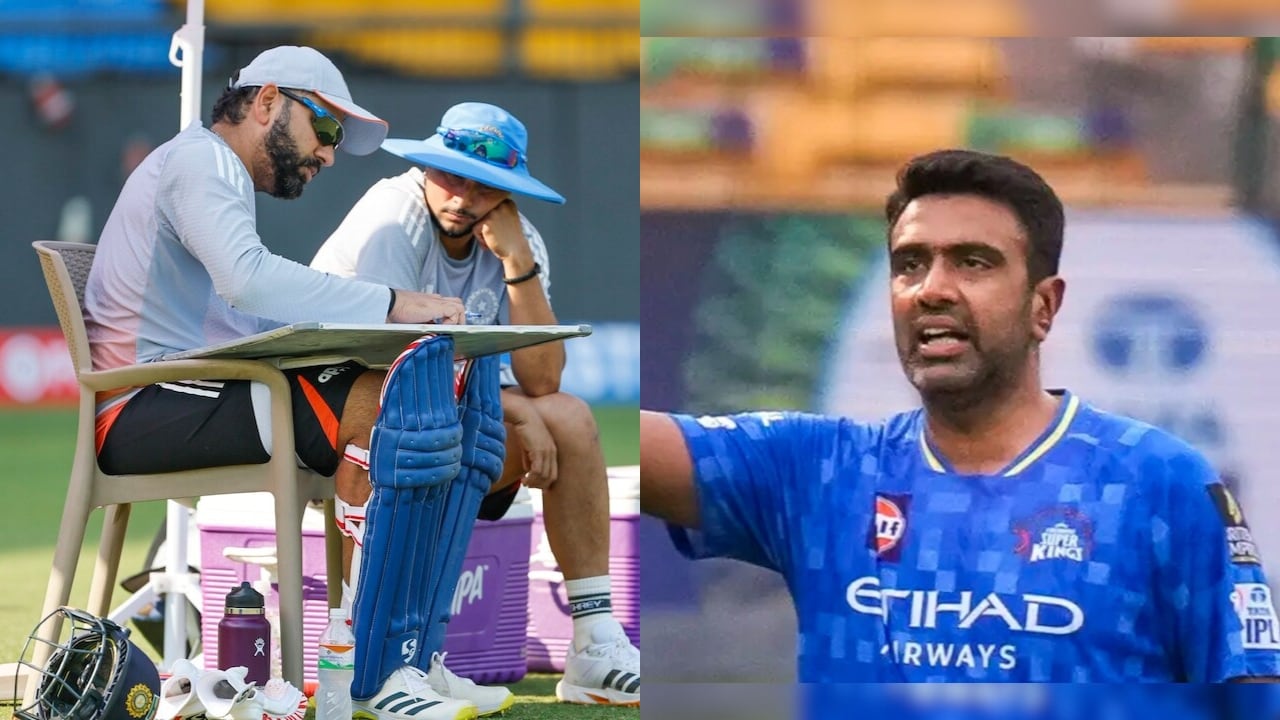
In the world of cricket, few topics ignite as much debate as team selection, particularly when it involves talented players like Kuldeep Yadav. Recently, Ravichandran Ashwin, one of India’s most respected cricketers, made headlines by expressing his discontent with the omission of Kuldeep from the squad against England. This commentary not only underscores the challenges Kuldeep faces but also raises questions about the ongoing management strategies within the Indian cricket setup.
The Ongoing Struggle of Kuldeep Yadav
Kuldeep Yadav's career has been a rollercoaster ride, marked by spectacular highs and frustrating lows. The left-arm wrist-spinner has previously dazzled fans and critics alike with his unique bowling style, but his recent exclusion from the playing XI, especially during crucial ODIs, has raised eyebrows. As Ashwin pointed out, the decision to drop Kuldeep against England, particularly in the absence of Jasprit Bumrah, highlights a glaring inconsistency in selection policy.
The third ODI at Lord’s saw India opting for a spin-less attack, a decision that ultimately backfired as they struggled to contain the English batsmen. Ashwin's statement reflects a growing concern among cricket aficionados: how can a bowler with Kuldeep's capabilities be sidelined when the team is in dire need of wicket-taking options?

Ashwin's Critique: A Call for Change
Ravichandran Ashwin’s words are not merely those of an exasperated player; they resonate with a broader narrative of accountability within the Indian cricket framework. He emphasized that Kuldeep should not be made to feel like an outsider in the team, particularly when the squad is devoid of established bowlers like Bumrah. The questions Ashwin raised center on the management's role in nurturing talent and building a competitive squad.
The Indian team management must ask itself: are they prioritizing consistency and performance, or are they allowing personal biases and preconceived notions to cloud their judgment? Kuldeep’s track record speaks for itself, and the lack of opportunities to showcase his skill raises concerns about how the selectors view his potential to contribute to the team.
The Impact of Team Selection on Player Morale
In a sport that thrives on momentum and confidence, the impact of selection decisions extends beyond just the players on the field. Kuldeep’s continuous omission can have a detrimental effect on his confidence, and it raises the question of how such decisions influence the morale of the entire squad. Players need assurance that their performances will be rewarded with consistent opportunities. The fear of being dropped after a single poor performance can stifle creativity and risk-taking, essential components in the arsenal of any successful cricketer.
As Ashwin pointed out, it is crucial for the team management to recognize the importance of player development. Retaining players like Kuldeep in the playing XI, especially during formative phases of their careers, can yield long-term benefits. He is a player who can turn matches with his bowling, and his exclusion risks stunting not just his growth but also that of the entire squad.
Lessons from History
Looking back, similar discussions have erupted around other players who faced prolonged periods of exclusion. Players like Rohit Sharma, who faced criticism and questions about his future in limited-overs cricket, often found themselves in the spotlight for reasons beyond their control. It is noteworthy that Rohit's subsequent performances silenced critics, reminding everyone that even the best can have rough patches. His recent innings have rekindled discussions about his place in the team, as reflected in our coverage here.
The Road Ahead for Kuldeep Yadav
For Kuldeep, the path forward is unclear, but one thing is certain: he must remain dedicated and focused. With the ODI World Cup on the horizon, opportunities could arise, and he needs to be ready to seize them. The team management must also recognize the potential pitfalls of rigid selection policies and remain open to re-evaluating their approach based on player performance and team dynamics.
The cricketing world is watching closely to see how the management responds to Ashwin's critique. Will they take the necessary steps to reintegrate Kuldeep into the squad? Or will they continue down the current path, risking the confidence of other players who may feel similarly marginalized? The answers to these questions could define the trajectory of India's campaign leading up to the World Cup.
Conclusion: A Call for Balance
Ultimately, cricket is a team sport, and decisions made at the top have far-reaching implications. The need for a balanced approach in team selection cannot be overstated. As Ashwin articulated, players like Kuldeep Yadav deserve their place in the squad based on merit and potential, not merely as a product of the management's whims.
With the World Cup around the corner, the Indian team must focus on creating a cohesive unit that encourages growth, adaptability, and resilience. In doing so, they will not only support individual players but also foster a winning culture that could lead to success on the biggest stage of all.
For more insights into the ongoing discussions surrounding player selections and their implications, check out our previous articles on Yuvraj Singh’s call for game time ahead of the World Cup and how Rohit Sharma navigated retirement talks earlier this season.