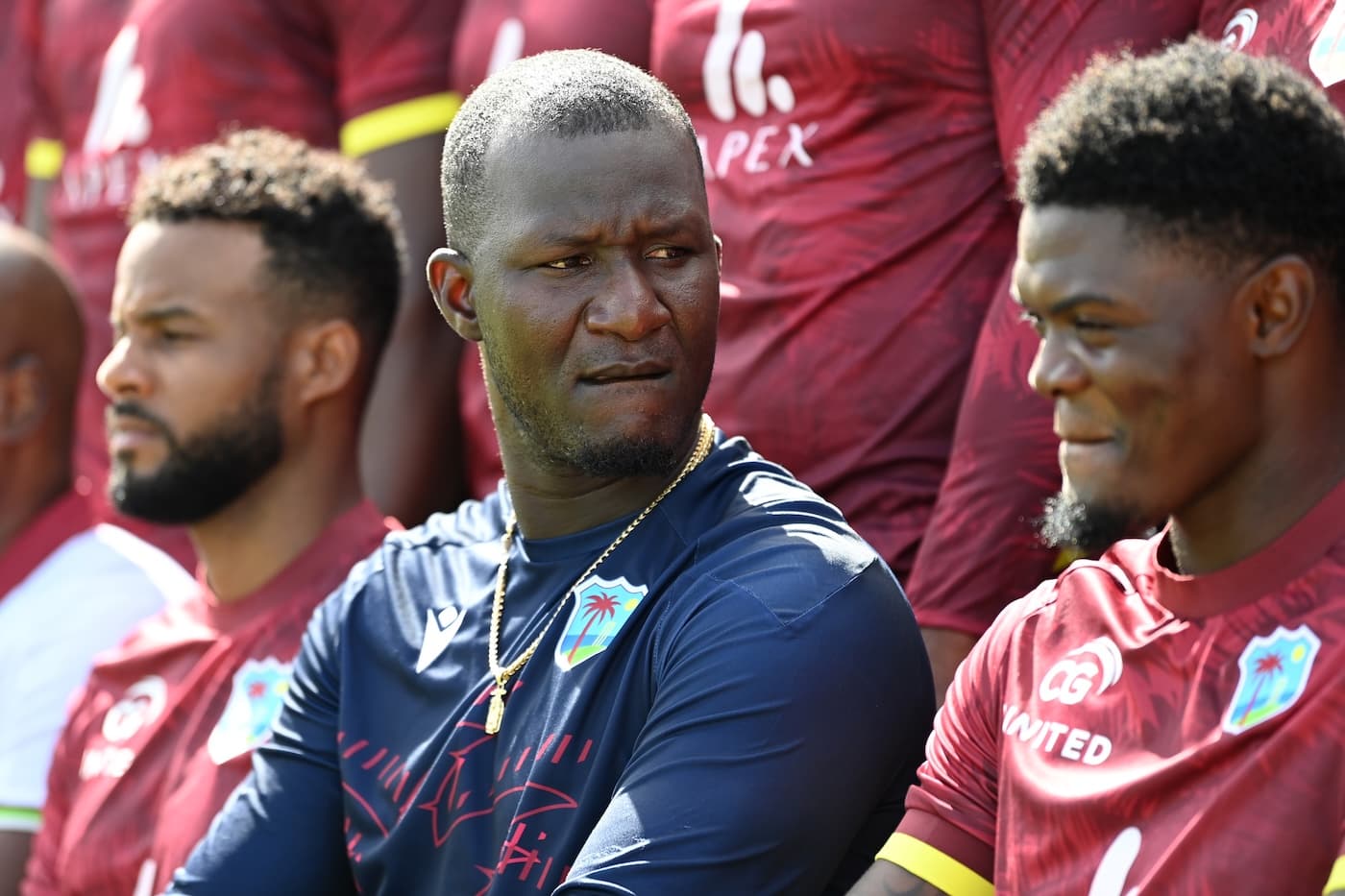
Alzarri Joseph's Decision: An Insight into Player Welfare
In the world of cricket, the mental and physical health of players has often become a focal point of discussion. Alzarri Joseph, the West Indian fast bowler, recently found himself in the spotlight after opting out of the ongoing two-Test series against Pakistan. His decision was met with significant commentary, particularly from former cricketer Daren Sammy, who questioned the rationale behind Joseph's absence. Sammy's remarks, however, have been branded 'controversial, without context' by Joseph himself, who emphasized the importance of player welfare in his explanation.
Joseph, speaking candidly about his situation, stated, "My body was not ready to go into another Test series." This statement reflects a growing awareness within the cricketing community about the physical toll that continuous international commitments can exert on players. The modern cricket calendar is dense, with players often juggling various formats and series, leaving little room for recovery.
The cricketer's reluctance to participate in back-to-back series should not be seen as a lack of commitment but rather as a necessary measure to ensure long-term performance sustainability. The rigors of Test cricket, especially on subcontinental pitches, can be arduous, and Joseph's self-assessment speaks volumes about his maturity and understanding of his body’s limits.

The Backlash: Understanding Sammy's Comments
Daren Sammy's comments, although perhaps well-intentioned, have sparked a debate about the responsibilities of players towards their teams versus their personal health. Sammy, who captained the West Indies to World T20 glory, carries a legacy that includes resilience and unwavering commitment. His remarks suggested a level of disappointment regarding Joseph's decision, interpreting it as a lack of desire to represent the West Indies at a crucial juncture.
Yet, this raises pertinent questions. Should players prioritize their health over national duty? The stigma surrounding mental health and player welfare has been highlighted over the last few years, with numerous players opting for breaks to recharge mentally and physically. Joseph’s candid admission is a reminder that the game is evolving; today’s players are increasingly attuned to their limits and the importance of mental well-being.
The Context of Player Welfare
Joseph’s decision comes amid growing scrutiny of how international cricket boards handle player workloads. The International Cricket Council (ICC) has made strides in addressing player wellness, but incidents like this reveal that there's still much room for improvement. Players often face pressure from teams, fans, and media alike to perform consistently, leading to a culture where participation is sometimes valued over health.
Joseph’s case is not an isolated one. Many cricketers have expressed similar sentiments in the past. The likes of Ben Stokes and Virat Kohli have also taken breaks from the game to prioritize their well-being. Cricket, particularly in the era of IPL and T20 leagues, demands relentless performance, and this pressure can lead to burnout.
Joseph's stance is a significant point in the ongoing dialogue about player rights and welfare in cricket. His proactive approach to manage his health signifies a shift in how athletes are recognizing the importance of recovery and mental health. The cricket community should rally behind such decisions to foster a culture that respects and prioritizes player welfare.
Looking Ahead: The Future of Player Welfare in Cricket
As the cricketing landscape evolves, so too must our approach to player management. The onus is on cricket boards to provide the necessary support systems for players, ensuring they have adequate rest and recovery periods. Joseph's case serves as a wake-up call for stakeholders in the sport—players should not feel guilty for prioritizing their health.
In light of this incident, it is crucial for cricketing authorities to take a closer look at scheduling, player workload management, and the systems in place to support athletes in their career journeys. The balance between national pride and personal health must be struck to ensure that the sport continues to thrive while safeguarding its most vital assets—its players.
Conclusion: The Broader Implications
Alzarri Joseph’s decision to skip the Test series against Pakistan highlights a significant and evolving conversation within cricket. It underscores the importance of mental and physical health, challenging traditional notions of commitment and courage in the sport. As the ICC and national boards continue to navigate this complex landscape, the focus must remain on creating an environment where players can perform at their best without compromising their well-being.
In the words of Joseph, it is essential to listen to one’s body. This sentiment should resonate throughout the cricketing world as we move forward into an era where player welfare takes precedence. For more on controversies regarding team selections and player welfare, check out our articles on Controversy Erupts Over Team Selection in T20I Series and Washington Sundar's Injury: A Major Blow Ahead of Sri Lanka Tests.
