Introduction to Sledging in Cricket
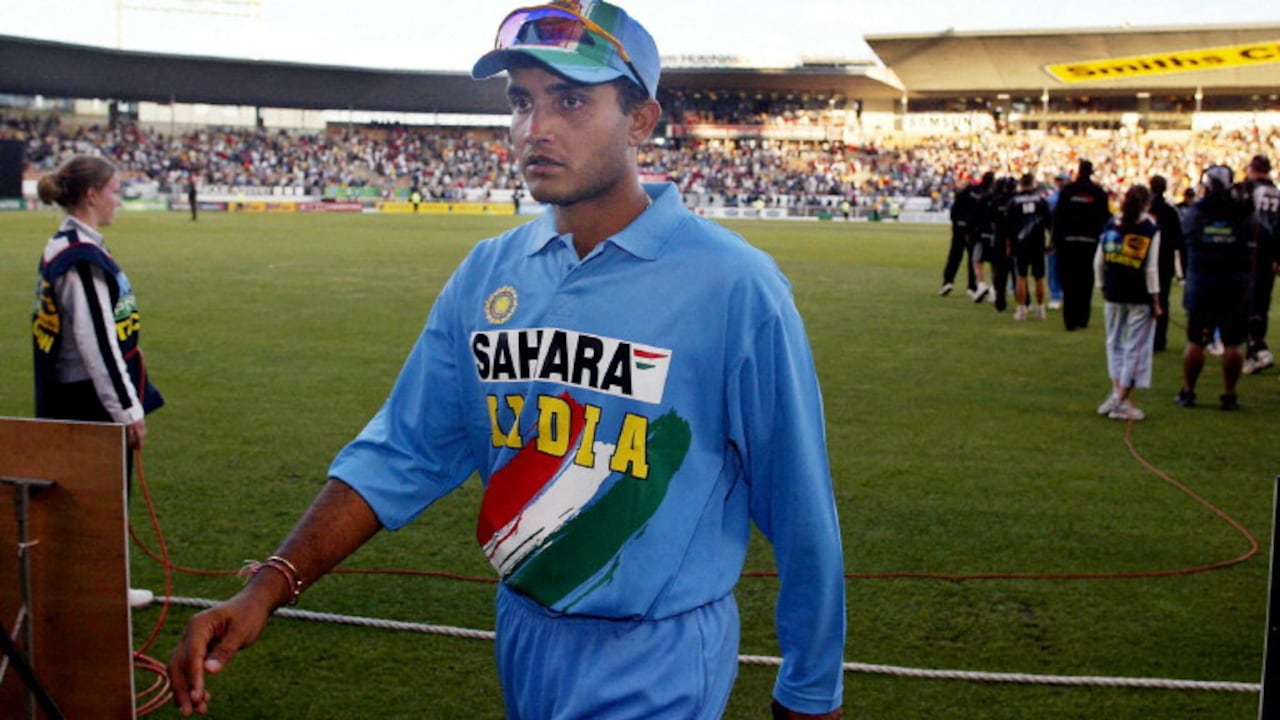
Cricket is as much a battle of wits as it is a test of skill. The mental aspect of the game often surfaces in the form of sledging, where players attempt to unnerve their opponents with verbal exchanges. When talking about the evolution of sledging in Indian cricket, one cannot overlook the impact of Sourav Ganguly. The former captain not only led the team with aggression but also instilled a new mindset that encouraged players to respond to on-field banter with equal fervor.
Ganguly's Influence and the Shift in Mindset
Deep Dasgupta, a former Indian cricketer, recently shared insights on Ganguly's transformative leadership. According to Dasgupta, Ganguly encouraged his players to not just absorb the jibes from opposition teams but to give it back in equal measure. This marked a significant shift from the traditional Indian approach, which often leaned towards a more submissive response.
Ganguly's captaincy era coincided with a period of resurgence for Indian cricket. He fostered a culture where players were expected to be mentally tough and not shy away from confrontation. This aggressive stance was particularly evident during the iconic NatWest Series final in 2002, where India chased down a daunting target against England at Lord's, a moment that underscored the newfound courage in the squad.

The Aggressive Approach in Action
The team's performance during the 2003 Cricket World Cup was a testament to this aggressive mentality. Ganguly's men reached the finals, showcasing not only skill but also a willingness to engage in mental battles with their opponents. Notable instances included the infamous encounter against Australia, where players like Virender Sehwag and Yuvraj Singh exhibited bravado against one of the most intimidating bowling attacks in history. The sledging that ensued was not just a secondary storyline; it became a pivotal element of the match narrative.
This approach to sledging was not merely about retaliating but also about creating a psychological edge. Ganguly understood that cricket is played in the mind as much as on the field. The ability to intimidate opponents verbally often translated to improved performance, creating a ripple effect that benefited the entire team.
Sledging Beyond the Field
The implications of Ganguly's attitude towards sledging extended beyond immediate matches. It contributed to a broader culture of competitiveness in Indian cricket. Young players began to emulate this mindset, realizing that mental fortitude is just as crucial as technical prowess. The likes of MS Dhoni and Virat Kohli carried this philosophy forward, leading the team to new heights. In fact, Kohli's aggressive demeanor on the field often mirrors the Ganguly ethos, as he engages with opponents while maintaining his focus on the game.
A Legacy of Mental Resilience
Ganguly's legacy is not just about winning matches; it is about how Indian cricket responded to adversity. His willingness to confront opponents verbally was a crucial part of cultivating a resilient team. Players learned that to succeed at the highest level, they must be prepared to stand their ground and engage fully, even in psychological skirmishes. This mental resilience has been critical as India faced various challenges on and off the field.
Ganguly's impact is seen in the current squad, where players are unafraid to voice their thoughts, both on social media and during press conferences. Sledging may have its critics, but it undeniably remains an integral part of the game, especially in high-stakes tournaments like the IPL.
Modern-Day Sledging in IPL
In the Indian Premier League (IPL), sledging has taken on a new dimension. The nature of the tournament, with its mix of domestic and international players, creates a melting pot of personalities. Cricketers often engage in verbal exchanges that can add entertainment value while also serving strategic purposes. The IPL has seen numerous instances of on-field banter, with players using their words as a weapon to gain an upper hand, reminiscent of the era Ganguly dominated.
As teams battle it out for supremacy, the psychological aspects of the game have become more pronounced. Players like Kagiso Rabada and Jos Buttler have made headlines not just for their performances but also for their off-field comments, which often ignite rivalries that spill over into the next match. As the IPL 2026 progresses, it will be interesting to see how the legacy of sledging continues to evolve.
Conclusion: The Enduring Impact of Ganguly's Philosophy
Sourav Ganguly's approach to sledging has left an indelible mark on Indian cricket. It reshaped how players view confrontation and mental warfare on the field. Under his leadership, Indian cricketers learned that they could not only compete but also intimidate. The essence of this mindset is still visible today, both in international matches and the fast-paced environment of the IPL.
As the tournament unfolds, one can only wonder how the next generation will interpret this legacy. Will they continue to embrace the aggressive spirit that Ganguly championed, or will the game evolve yet again? What remains clear is that the art of sledging—whether hailed or criticized—will continue to be a significant aspect of cricket, influencing strategies and outcomes for years to come.
For more insights on the evolving trends in cricket, check our coverage on MCA's Equal Pay for Cricketers and IPL 2026 Highlights.